

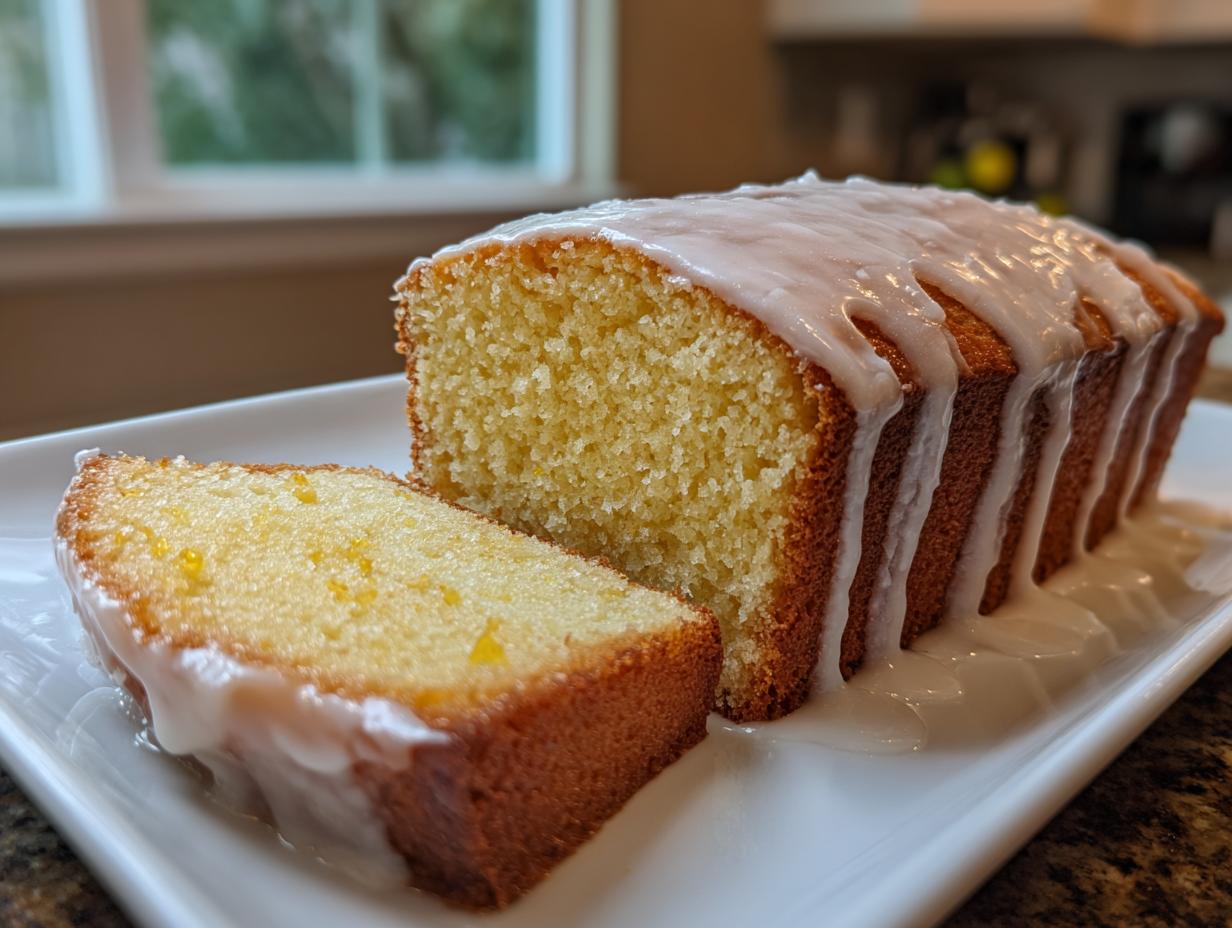
Oh, that sharp, bright burst of citrus! There is just nothing better than a dessert that tastes like sunshine, and that’s exactly what we unlock today with this incredible lemon pound cake. As Juliana Cruz, the founder here at Alchemy Chef, I approach baking from a place where science meets soul. I spent years developing recipes professionally, learning exactly *why* some cakes end up dry and others just sing.
This isn’t just another recipe card; it’s my promise to you. If you’ve been burned by brittle, disappointing cakes before, you can trust this one. We’ve engineered this recipe specifically to deliver the most intensely zesty flavor paired with a texture that stays unbelievably moist—even days later. Get ready to banish dry cakes forever!
- Why This Is the Best Lemon Pound Cake Recipe You Will Make
- Gathering Ingredients for Your Lemon Pound Cake
- Step-by-Step Instructions for the Homemade Lemon Pound Cake
- Tips for Achieving the Ultimate Moist Lemon Pound Cake Texture
- Variations: From Classic Southern Pound Cake to Italian Lemon Pound Cake
- Storage and Reheating Instructions for Your Lemon Pound Cake
- Frequently Asked Questions About Making Lemon Pound Cake
- Nutritional Estimates for This Lemon Pound Cake
- Share Your Homemade Lemon Loaf Cake Creations
Why This Is the Best Lemon Pound Cake Recipe You Will Make
I know, everyone claims their recipe is the best, right? But when you blend food science with home-kitchen love, like I do here at Alchemy Chef, you get reliability. This lemon pound cake isn’t just tasty; it’s consistent. We engineered the moisture factor right into the formula so you never have to stress about a dry result.
- That incredible moisture comes straight from the full-fat sour cream—seriously, don’t skip it!
- We use tons of fresh zest because flavor is king, giving you a genuine, zesty lemon cake punch.
- Every step is tested to guarantee that classic, pull-apart crumb that makes a perfect pound cake. If you’re after that moist lemon pound cake experience, this is it!
The Science Behind a Perfectly Moist Lemon Pound Cake
It’s all about the emulsion, honey! When you use room temperature butter, eggs, and sour cream, they mix together without fighting each other. That smooth foundation traps air when you cream them, and that trapped air expands during baking. That’s the secret to a light, tender crumb instead of a dense brick. Good fat distribution means perfect moisture retention!
Gathering Ingredients for Your Lemon Pound Cake
Before we even think about turning on the oven, we need our building blocks. Remember, this is a pound cake recipe from scratch, so quality matters! Since this recipe relies on that signature tang, you absolutely must reach for fresh lemons—bottled stuff just doesn’t give you that bright pop we’re looking for. I like to have everything measured out before I start mixing; it keeps me calm, especially when I’m working with all that butter.
Oh, and if you need some inspiration on presentation, check out this lovely lemon pound cake with glaze inspiration while you gather your supplies!
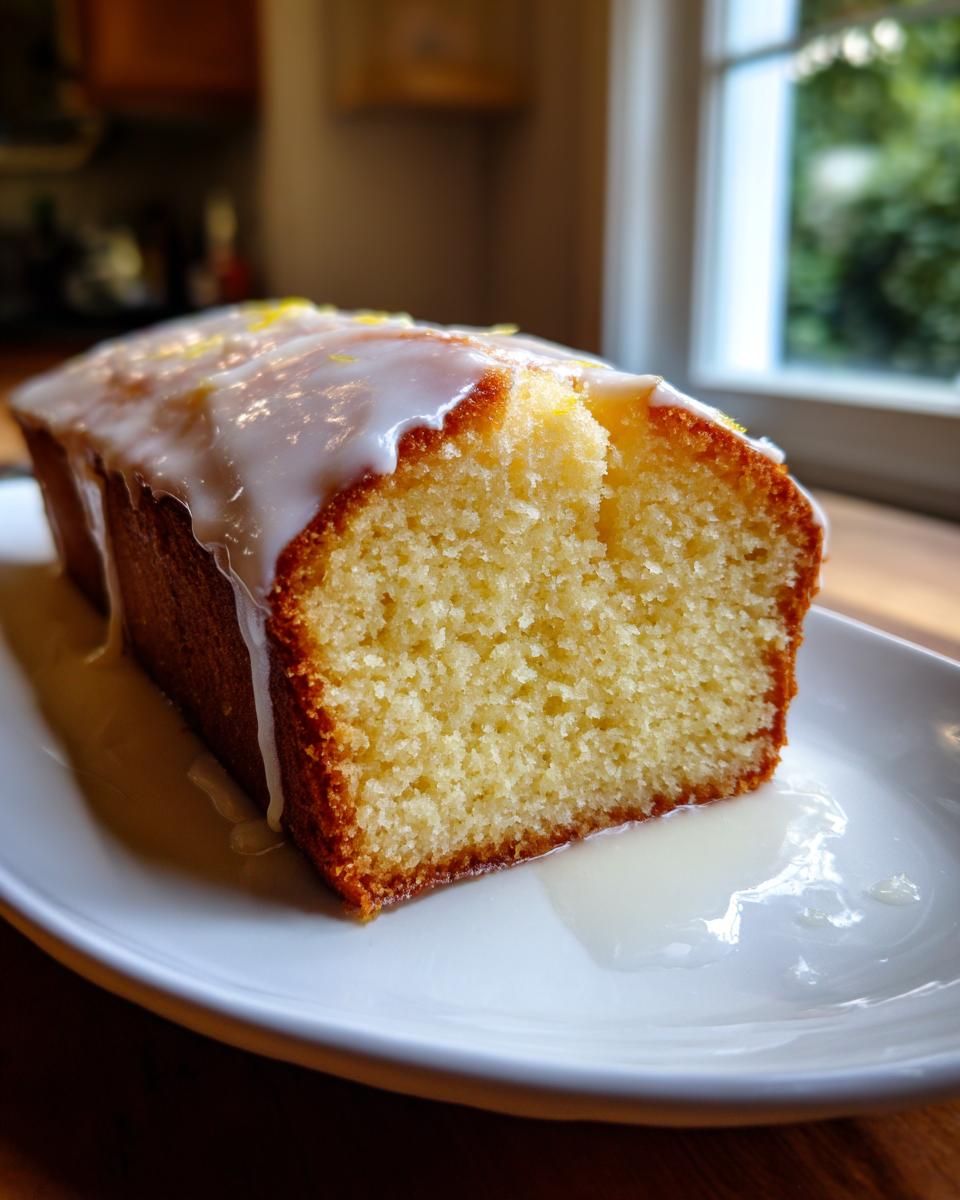
Ingredients for the Buttery Lemon Cake Base
This is where the magic starts, giving us that gorgeous, rich crumb. Everything here needs to be at room temperature, folks—that’s vital for creaming properly!
- 1 1/2 cups (3 sticks) unsalted butter, softened—needs to be really cooperative!
- 3 cups granulated sugar
- 6 large eggs, room temperature (they incorporate much better that way)
- 1 tablespoon fresh lemon zest (this is your flavor bomb!)
- 1/4 cup fresh lemon juice
- 1 cup full-fat sour cream (our secret weapon for moisture)
- 3 cups all-purpose flour
- 1 teaspoon baking powder
- 1/2 teaspoon salt
- 1/4 cup whole milk
Ingredients for the Tangy Lemon Icing
This glaze is simple, but that tartness cuts through the richness of the cake so perfectly. You want this consistency to be just right—thick enough to coat the top without running clean off the sides, but smooth enough to pour easily. We’ll adjust the liquid later to nail that perfect texture.
- 2 cups powdered sugar
- 4 tablespoons fresh lemon juice (you might need a tiny splash more!)
Step-by-Step Instructions for the Homemade Lemon Pound Cake
Okay, ready to get down to business? This is where my background in recipe development really shines—we’re going step-by-step so your homemade lemon loaf cake turns out absolute perfection. Trust me, the mixing order is more important than you think if you want that signature moist texture!
First things first: crank that oven up to 325°F (160°C) right now. While it heats up, get your 10-inch tube pan or Bundt pan thoroughly greased and floured. You don’t want any sticking drama later!
If you want to bookmark this bit so you don’t miss a thing, I’ve shared the full process over here for easy reference: quick and easy cake assembly.
Preparing the Batter for Your Lemon Pound Cake
Grab your electric mixer for this part. We start by creaming that lovely softened butter and the granulated sugar until it gets pale and fluffy—this takes a good five minutes. This step is crucial for creating those little air pockets that keep the cake light!
Next, add your six room-temperature eggs, one at a time, making sure each one is fully incorporated before adding the next. Beat in the lemon zest and juice until they disappear into the mix. Now, switch gears! In a separate bowl, whisk your flour, baking powder, and salt together. In another little bowl, just give the sour cream and milk a quick stir.
Here’s the deal for the best texture: You add the dry ingredients and the sour cream mixture alternately. Start and end with the flour. So, a scoop of flour, a splash of the dairy mixture, another scoop of flour, and so on. Mix until it *just* comes together. I mean it—stop mixing the second you see no more dry streaks. Overmixing develops gluten, and we do *not* want a tough cake!
Baking and Cooling the Lemon Pound Cake with Glaze
Pour that beautiful, zesty batter into your prepared pan and smooth the top carefully. It’s going into that 325°F oven for about 70 to 85 minutes. You’ll know it’s ready when a wooden skewer comes out clean when poked near the center. Patience is necessary here!
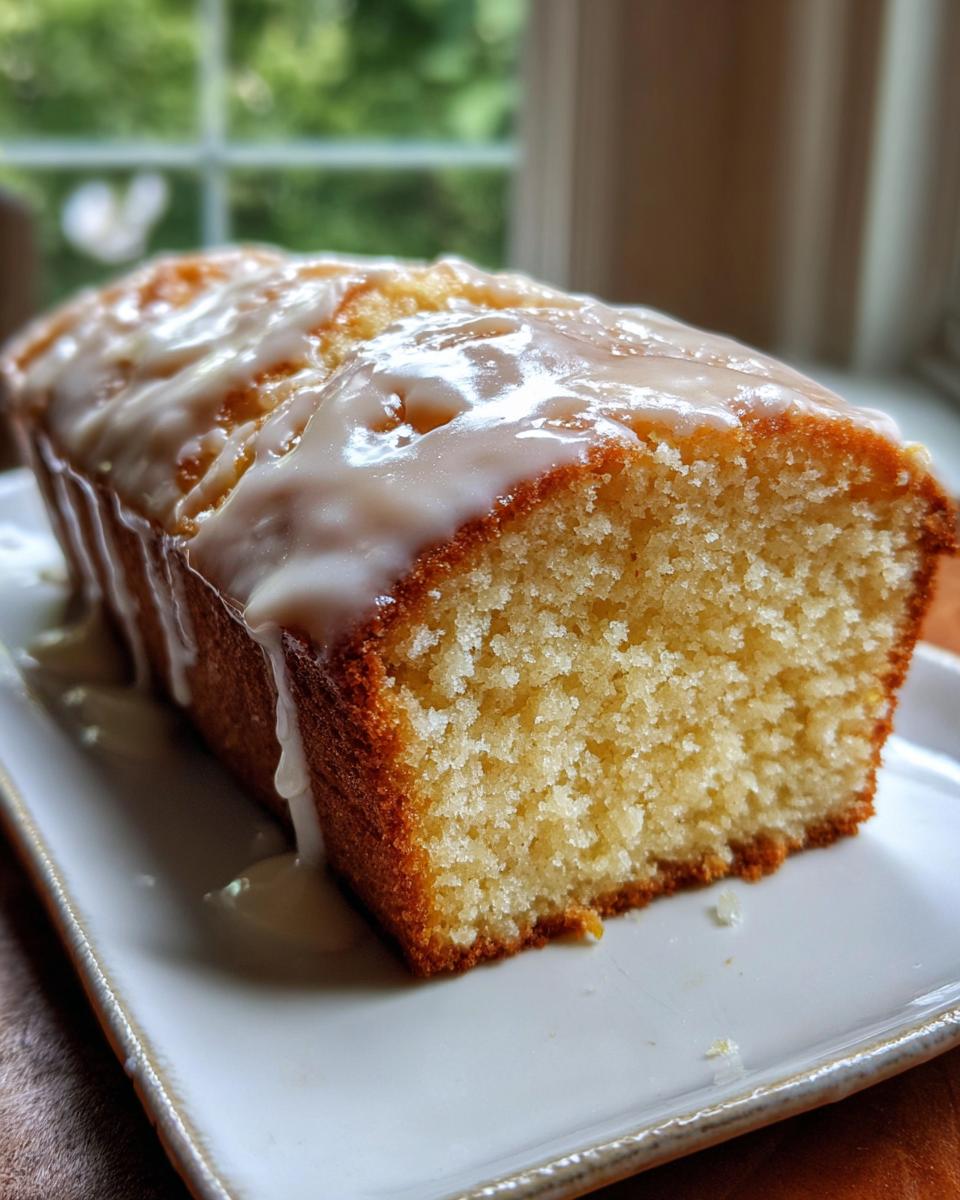
Once it’s done, resist the urge to flip it immediately! Let the cake hang out in the pan on a wire rack for about 15 minutes. This lets it firm up slightly. Then, invert it onto the rack to cool completely. And I mean completely. If you pour that tangy lemon icing onto a warm cake, you’ll just get a runny, melted mess instead of that perfect, glossy finish!
Tips for Achieving the Ultimate Moist Lemon Pound Cake Texture
Honestly, folks, getting that perfect, non-drying crumb is where the alchemy comes in. It’s less about what you add and more about *how* you handle the ingredients. If you follow my main steps, you’re already miles ahead, but here are the little secrets I learned developing this moist lemon pound cake recipe.
First, let’s talk temperature! If your butter, eggs, and especially that sour cream aren’t at room temperature, the batter won’t emulsify properly, leading to a tighter, denser crumb. Pull those things out about an hour before you plan to start mixing—it’s worth the wait!
When prepping your pan—whether it’s a tube pan or a Bundt—don’t skimp on the grease and flour. I sometimes even use a swipe of melted butter and a dusting of flour mixed with a little bit of cake flour for extra insurance. This is extra important because that high fat content in a sour cream pound cake sometimes needs a little extra help releasing cleanly. If you want to see how other folks manage this wonderful style, peek at this sour cream pound cake inspiration!
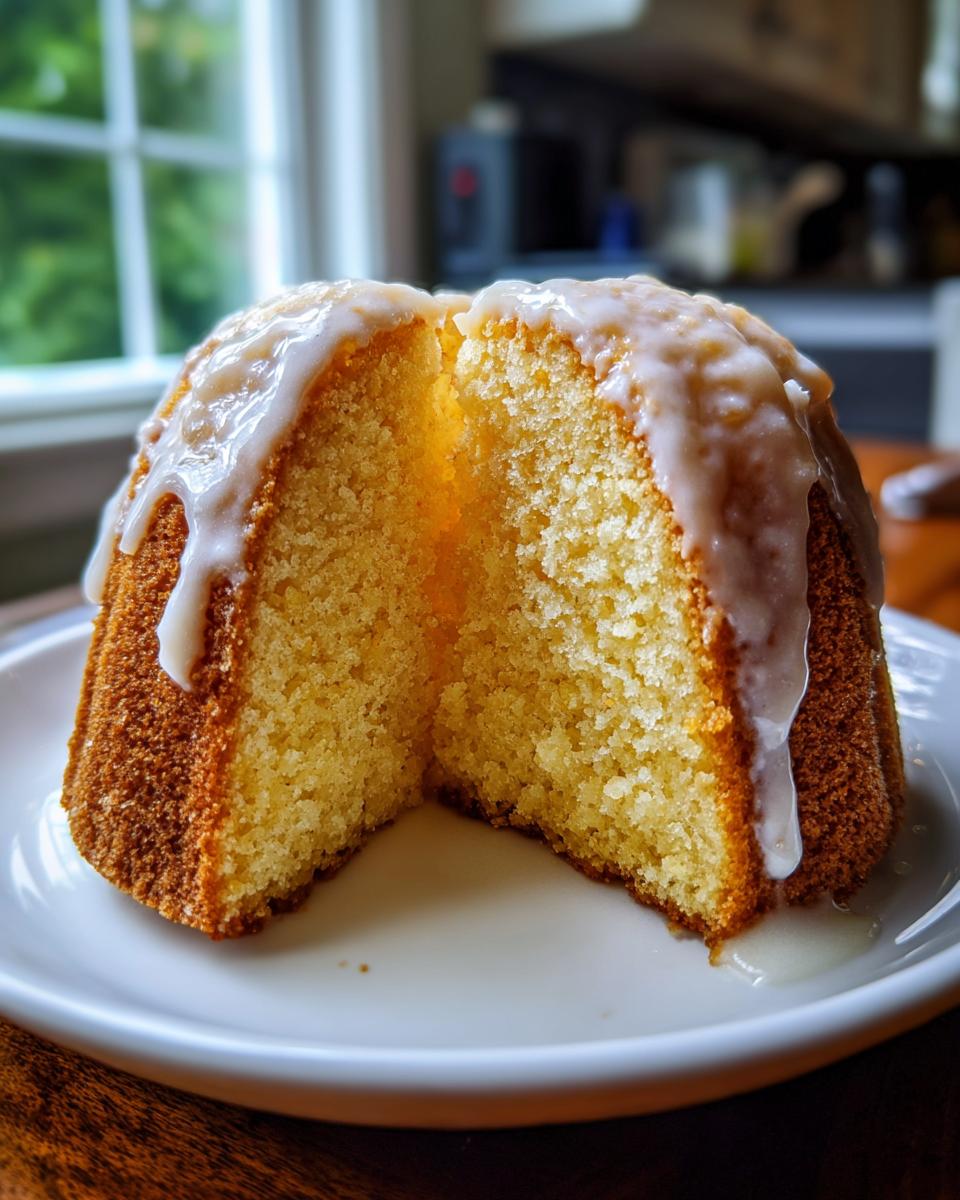
Finally, trust your senses more than the timer! Ovens vary so much. Once you hit that 70-minute mark, start checking frequently. The cake should spring back lightly when touched in the center, and the edges should definitely start pulling away from the sides of that tube pan.
Variations: From Classic Southern Pound Cake to Italian Lemon Pound Cake
Now that we’ve nailed down the absolute best lemon pound cake recipe, I want to talk about tweaking it! Because every kitchen has its own traditions, right? This base recipe is wonderfully adaptable, whether you’re yearning for that rich, ultra-dense slice or perhaps something with a little Old World charm.
If your heart belongs to the South, channeling that classic southern pound cake vibe, you just need to focus on the density. Skip the baking powder entirely (the eggs carry enough lift!) and try using all butter—no sour cream. You’ll end up with a slightly firmer crumb, perfect for slicing thin and serving with just a light dusting of powdered sugar rather than that thick glaze.
On the flip side, for an italian lemon pound cake feel, we bring in some almond! Add about half a teaspoon of pure almond extract along with your vanilla when you mix the wet ingredients. Also, try baking this batter in a Bundt pan instead of a tube pan. The intricate shape loves soaking up extra lemon syrup after it bakes—just poke holes all over the top once it cools for 10 minutes and brush on a thin mix of lemon juice and sugar!
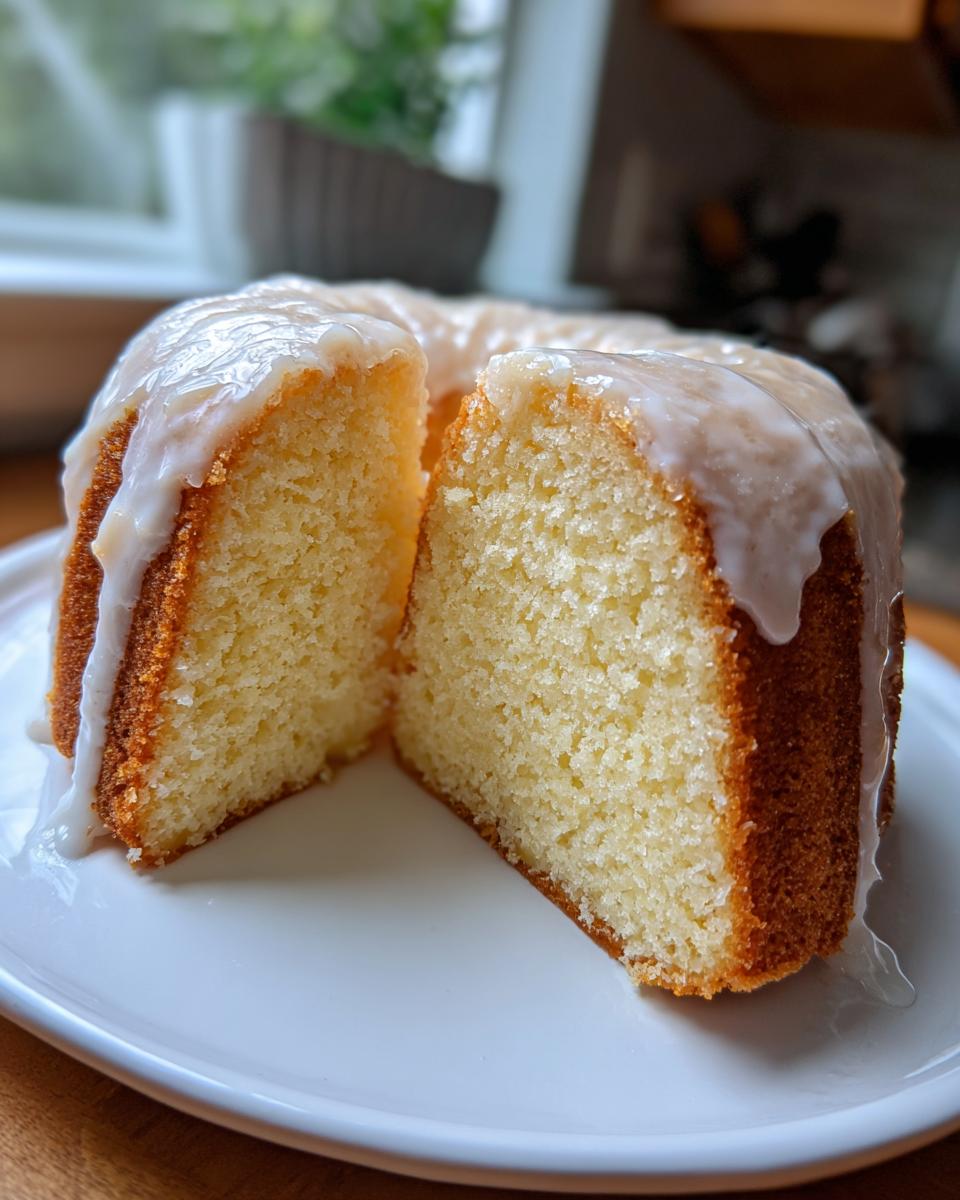
See? You get one stunning, reliable lemon pound cake recipe that can morph into whatever you need it to be!
Storage and Reheating Instructions for Your Lemon Pound Cake
Okay, we’ve made this gorgeous, moist cake, and you need to know how to keep it perfect for days. Since we used that rich sour cream and plenty of butter, this lemon pound cake actually holds up wonderfully at room temperature. You don’t always need the fridge, which I love because cold cake can sometimes taste a bit dull, right?
If you plan on eating that homemade lemon loaf cake within three days, just wrap it tightly! Once it’s totally cool—and I mean zero warmth, or the plastic wrap will get gross—wrap the whole thing (or just the remaining portion if you cut a slice) tightly in plastic wrap first, then follow that with a layer of aluminum foil. This double wrap locks in all that lovely moisture we worked so hard to create. Keep it on the counter, away from anything too hot.
If you need it to last longer than four days, *then* the fridge comes into play. The texture might stiffen up just a touch due to the cold, but it won’t spoil.
For those moments when you want that *just-baked* tenderness back, reheating is the fast fix. If you’re warming up a single serving, drizzle just a tiny bit of water or milk right on the slice—don’t soak it, just a few drops!
Pop that slice into the microwave for about 10 to 15 seconds on medium power. That little steam bath reawakens the buttery crumb perfectly. If you’re reheating leftovers from the fridge, give it closer to 20 seconds. And hey, if you’re having an afternoon tea party and want to serve slices slightly warm, you can wrap a whole hunk in foil and warm it in a 300°F oven for about 10 minutes—just make sure you check out how to handle glazed lemon pound cake loaf storage if you’re worried about the icing!
Frequently Asked Questions About Making Lemon Pound Cake
I totally get it—baking always brings up questions, especially when you’re aiming for the best lemon pound cake! I’ve collected the things I hear most often from bakers trying to perfect their technique for this citrus masterpiece. Don’t worry if your last batch didn’t turn out exactly as planned; we’re here to troubleshoot!
Can I substitute the sour cream in this lemon pound cake recipe?
Yes, you absolutely can, but remember that the sour cream is the heavy hitter for moisture here! If you don’t have it, good full-fat Greek yogurt is the closest, best substitute—it offers similar fat and acid content, keeping that crumb nice and tender. Buttermilk is okay too, but it will produce a slightly lighter, less rich texture. Don’t reach for regular milk alone; you’ll lose too much of that wonderful body!
How do I get a very zesty lemon cake flavor?
This is my favorite pro tip I use when developing any zesty lemon cake! Don’t just dump the zest in with the wet ingredients. Instead, add your tablespoon of fresh lemon zest to the granulated sugar *before* you cream it with the butter. As you beat them together, the sugar acts like an abrasive, squeezing all those potent essential oils right out of the peel. It infuses the fat better, giving you a much, much brighter burst of lemon in every bite!
Need ideas for presentation? If you wanted to skip the glaze entirely and shape this into a beautiful, easy-to-serve dessert, check out this guide on making a lemon bundt cake recipe!
Nutritional Estimates for This Lemon Pound Cake
Now, I know that as Alchemy Chef, I focus on flavor and texture above all else, because food should make you happy! However, for those of you who like to keep track, I’ve put together some estimates for this rich dessert. Remember, these numbers are based on standard measurements and serving this buttery lemon cake in 12 equal slices, as the recipe intends.
Baking is an exact science sometimes, but so is nutrition tracking—and ingredient brands can make a difference! So, please take these figures with a grain of salt, but consider them a good guide for what you’re enjoying.
- Serving Size: 1 slice
- Calories: 450
- Sugar: 45g (That tangy lemon icing adds a zing, but also the sugar!)
- Fat: 26g
- Saturated Fat: 16g
- Cholesterol: 110mg
- Carbohydrates: 53g
- Protein: 6g
- Sodium: 210mg
It’s certainly a rich treat, which is what a classic pound cake should be! Enjoying a slice of this incredible citrus creation is worth every single bite.
Share Your Homemade Lemon Loaf Cake Creations
Well, we made it to the finish line! I truly hope you loved this process as much as I love sharing it with you. Developing this lemon pound cake recipe was all about capturing that perfect balance of science-backed structure and pure, joyful flavor. Now that you’ve got that beautiful, zesty cake cooling on your counter, I’m dying to hear about it!
The kitchen is meant to be shared, and your experience matters so much to me. Did the glaze drip exactly how you wanted? Did the smell of lemon fill your whole house? Please, take a few minutes to drop a rating right below—four or five stars means the world, and it tells others they can trust the alchemy!
If you tried out that gorgeous classic lemon pound cake look, I absolutely encourage you to snap a picture and tag me on social media. It makes my entire week to see your kitchen transforming ordinary ingredients into something extraordinary. And if you tried out that frosting idea from Fit Food Fun With Ann, let me know how that turned out, too!
Baking is truly an everyday magic, and you just performed it flawlessly. Go enjoy that spectacular slice of sunshine!
PrintMoist Lemon Pound Cake with Tangy Glaze

Create a moist, zesty lemon pound cake from scratch, featuring a rich crumb and topped with a sweet-tart lemon glaze for a classic dessert experience.
- Prep Time: 25 min
- Cook Time: 80 min
- Total Time: 105 min
- Yield: 12 servings 1x
- Category: Dessert
- Method: Baking
- Cuisine: American
- Diet: Vegetarian
Ingredients
- 1 1/2 cups (3 sticks) unsalted butter, softened
- 3 cups granulated sugar
- 6 large eggs, room temperature
- 1 tablespoon fresh lemon zest (from about 3 lemons)
- 1/4 cup fresh lemon juice
- 1 cup full-fat sour cream
- 3 cups all-purpose flour
- 1 teaspoon baking powder
- 1/2 teaspoon salt
- 1/4 cup whole milk
- For the Glaze: 2 cups powdered sugar
- For the Glaze: 4 tablespoons fresh lemon juice
Instructions
- Preheat your oven to 325°F (160°C). Grease and flour a 10-inch tube pan or Bundt pan.
- In a large bowl, cream together the softened butter and granulated sugar with an electric mixer until the mixture is light and fluffy, about 5 minutes.
- Beat in the eggs one at a time, mixing well after each addition.
- Stir in the lemon zest and lemon juice until just combined.
- In a separate medium bowl, whisk together the flour, baking powder, and salt.
- In small bowls, mix the sour cream and milk together.
- Gradually add the dry ingredients to the wet ingredients, alternating with the sour cream mixture, beginning and ending with the flour mixture. Mix only until just combined; do not overmix.
- Pour the batter into the prepared pan and smooth the top.
- Bake for 70 to 85 minutes, or until a wooden skewer inserted near the center comes out clean.
- Let the cake cool in the pan on a wire rack for 15 minutes.
- Invert the cake onto the wire rack and allow it to cool completely.
- While the cake cools, prepare the glaze: Whisk together the powdered sugar and 4 tablespoons of lemon juice until smooth. Add more lemon juice, a teaspoon at a time, if needed to reach a thick but pourable consistency.
- Drizzle the tangy lemon icing evenly over the cooled cake. Allow the glaze to set before slicing and serving your homemade lemon loaf cake.
Notes
- For the best texture, bring your butter, eggs, and sour cream to room temperature before starting.
- Use fresh lemon zest and juice for the strongest zesty lemon flavor.
- If you prefer a thinner glaze, increase the lemon juice slightly.
Nutrition
- Serving Size: 1 slice
- Calories: 450
- Sugar: 45g
- Sodium: 210mg
- Fat: 26g
- Saturated Fat: 16g
- Unsaturated Fat: 10g
- Trans Fat: 0.5g
- Carbohydrates: 53g
- Fiber: 1g
- Protein: 6g
- Cholesterol: 110mg