
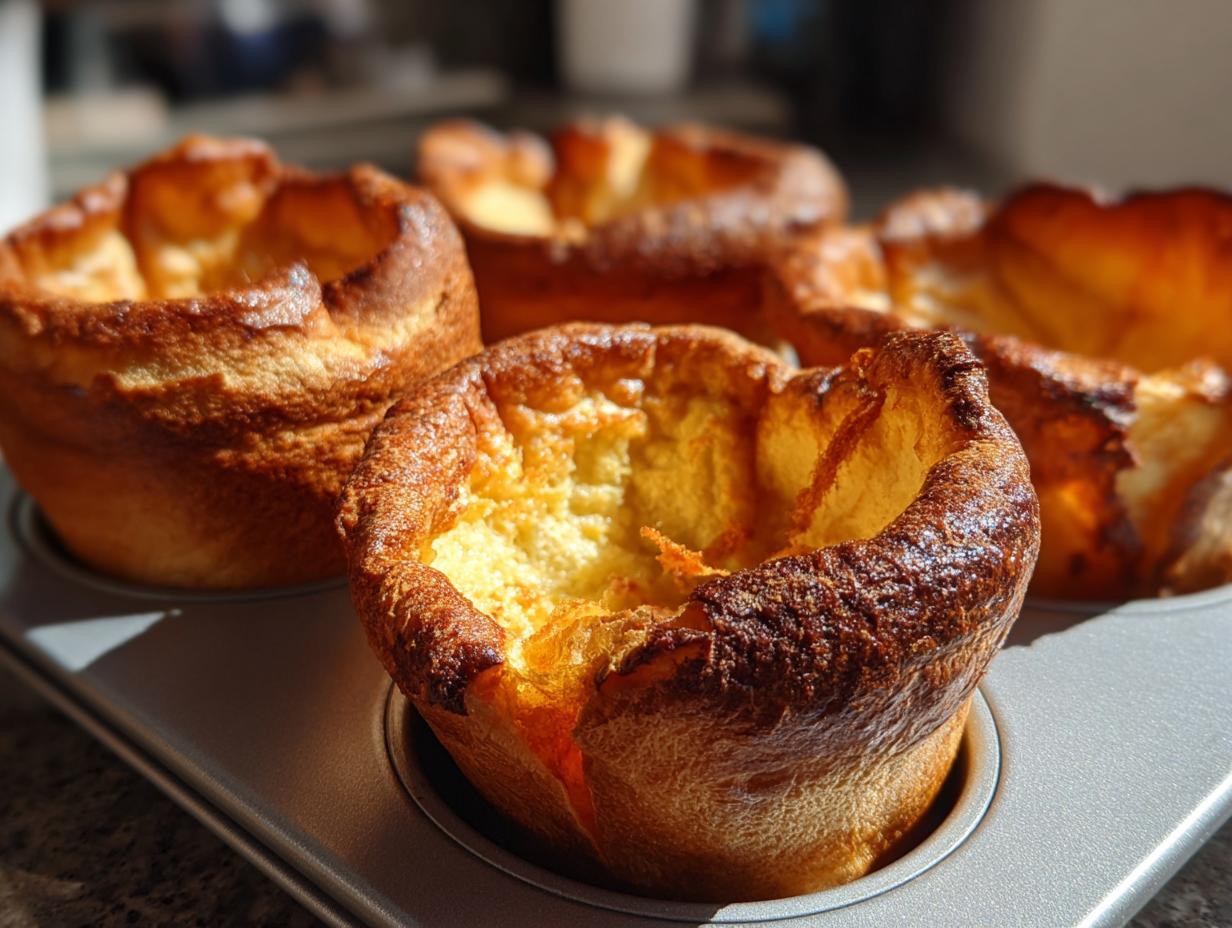
Isn’t it the most frustrating thing when you’re trying to make those magnificent, towering piles of golden goodness, only for your Yorkshire pudding to end up flat and sad? I know that feeling too well! But I promise you, those days are over. As someone who translates food science into reliable home recipes, I’ve cracked the code on achieving that perfect contrast: outrageously crispy edges hugging a soft, fluffy center. This isn’t just another recipe; it’s the Best Yorkshire Pudding method designed to give you that tall, pillowy rise every single time, perfect for your Sunday roast.
- Why This is the Foolproof Yorkshire Pudding Recipe You Need
- Ingredients for Classic Yorkshire Pudding
- How to Make Yorkshire Puddings: Step-by-Step Instructions
- Yorkshire Pudding Tips and Tricks for Success
- Variations on the Yorkshire Pudding Recipe
- Serving Suggestions for Your Roast Dinner Accompaniments
- Storage and Reheating Instructions
- Frequently Asked Questions About Yorkshire Pudding
- Nutritional Estimate for Homemade British Comfort Food
Why This is the Foolproof Yorkshire Pudding Recipe You Need
Look, there are a thousand recipes out there, but what you really need is one that works reliably. That’s why I developed this version of the Yorkshire pudding. It’s all about hitting those texture notes perfectly, from the first bite to the last. You absolutely deserve that satisfying crunch!

- Guaranteed lift results—no more flat discs!
- The perfect balance for making the Best Yorkshire Pudding.
Achieving Crispy Yorkshire Puddings Every Time
Crispiness comes almost entirely from heat. We are using just a little bit of beef dripping (my favorite choice!) or high-smoke-point oil, and it has to be screaming hot—I mean truly smoking before the batter goes near it. That initial shock of heat sets that crunchy outer shell immediately.
The Secret to Fluffy Yorkshire Puddings
For the fluffiness inside, the secret is patience! You have to let the batter rest. It relaxes the gluten structures so they don’t fight as hard when they hit that blazing oven. That rest time is non-negotiable if you want that lovely pillowy popover effect inside. You can read more about how others nail this technique right here.
Ingredients for Classic Yorkshire Pudding
This is the beautiful part of the traditional British method: the ingredients list is ridiculously short! You likely have everything needed in your pantry right now, which is why this homemade comfort food is so economical. We just need precision with the measurements, not artisanal extras.
For 12 beautiful, puffy individual puddings, here’s what you’ll need:
- 1 cup all-purpose flour (regular old white flour works perfectly here!)
- 1 cup whole milk (don’t try to thin it out with skim milk; we need the fat content!)
- 2 large eggs (make sure they are room temperature, if you can manage it)
- 1/2 teaspoon salt (crucial for balancing the flavor!)
- 1/2 cup beef dripping or vegetable oil (for heating)
Now, about that fat! If you want that truly authentic, unbeatable flavor for your Yorkshire pudding, you absolutely need beef dripping. It has the highest smoke point and brings that deep, savory backdrop. If you’re keeping things vegetarian, a neutral, high-heat oil like rapeseed or sunflower oil is fine, but dripping really takes them to the next level for a Sunday roast. If you want to see how affordable this magic is, check out some great ideas on saving money over here!
How to Make Yorkshire Puddings: Step-by-Step Instructions
Okay, this is where the magic happens! Making truly fantastic yorkshire pudding isn’t hard, but it does require you to follow a couple of non-negotiable rules. If you nail the prep work, the baking is almost foolproof. Get your eggs and milk out early, grab your favorite whisk, and let’s get this show on the road!
Preparing the Hot Fat and Oven
First things first: heat! You need your oven screaming hot—set that dial to 425°F (220°C). While it heats up, put your muffin tin (or whatever vessel you are using) into the oven and put about half a teaspoon of your beef dripping or oil into each cup. We are waiting for that fat to be absolutely smoking hot. Don’t even think about pouring the batter in until you can see wisps of smoke curling up from the tin. This blast of high heat is what forces your puddings upwards instantly!
Mixing the Easy Yorkshire Pudding Batter
In a large bowl, whisk together your flour and salt first. Then, make a little well in the center and drop in those two eggs. Now, go slow! Gradually start pouring in the milk while you whisk from the middle out, slowly pulling the flour in. You want a smooth, thin batter—thin, like heavy cream is the consistency we’re aiming for. Trust me on this: don’t beat it senseless trying to get rid of every single tiny lump. A few tiny lumps are totally fine. If you overwork it, you’ll develop too much gluten, and that means flat puddings!
The Crucial Resting Period
This step is critical, even if you’re desperate for dinner right now. Cover that bowl and let the yorkshire pudding batter rest on the counter for at least 30 minutes. If you can manage an hour or even chill it for a few hours, even better! This resting time lets the gluten relax, which means the structure can expand freely once it hits the heat, giving you that lovely airy center. If you skip this, you’re asking for trouble!
Baking for Maximum Puffy Yorkshire Puddings
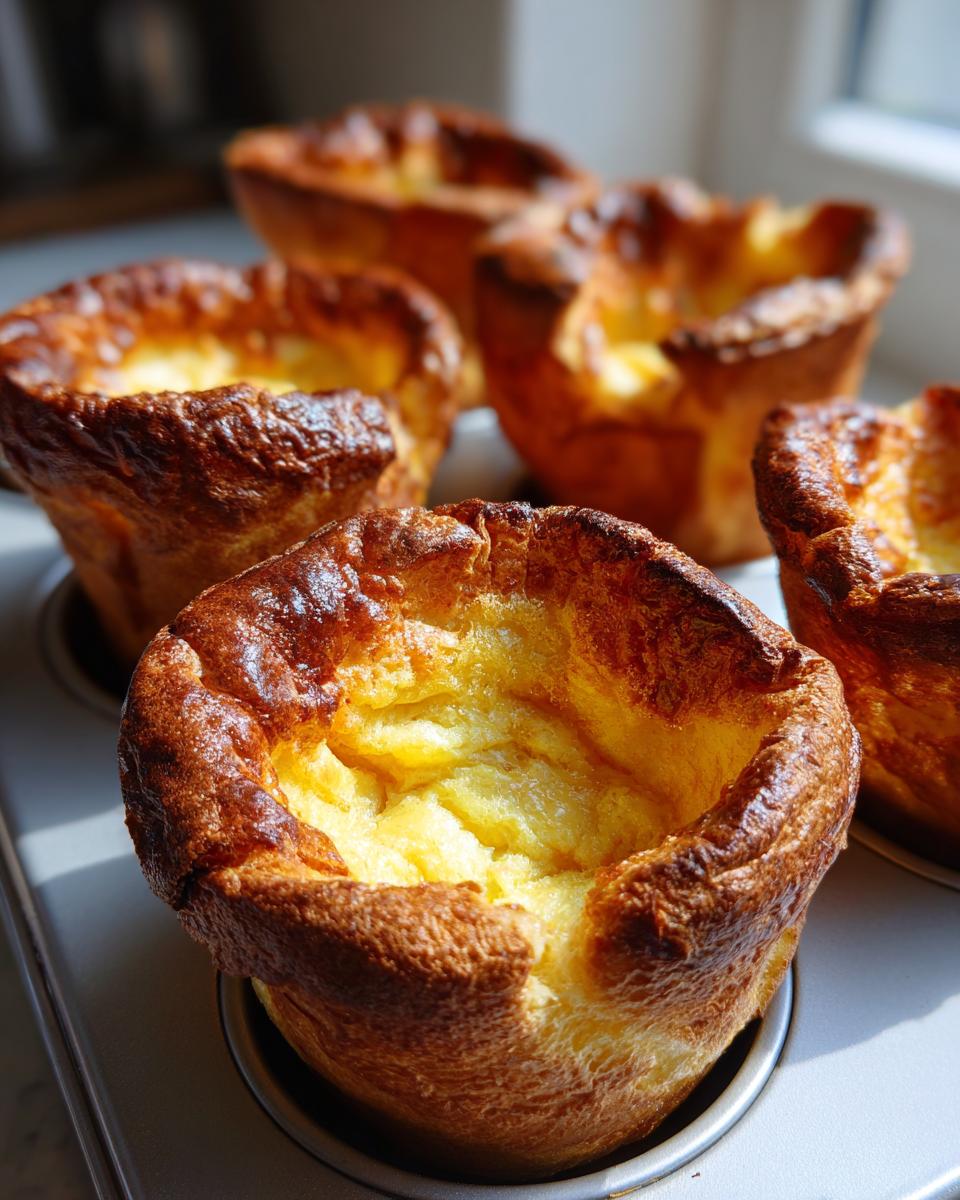
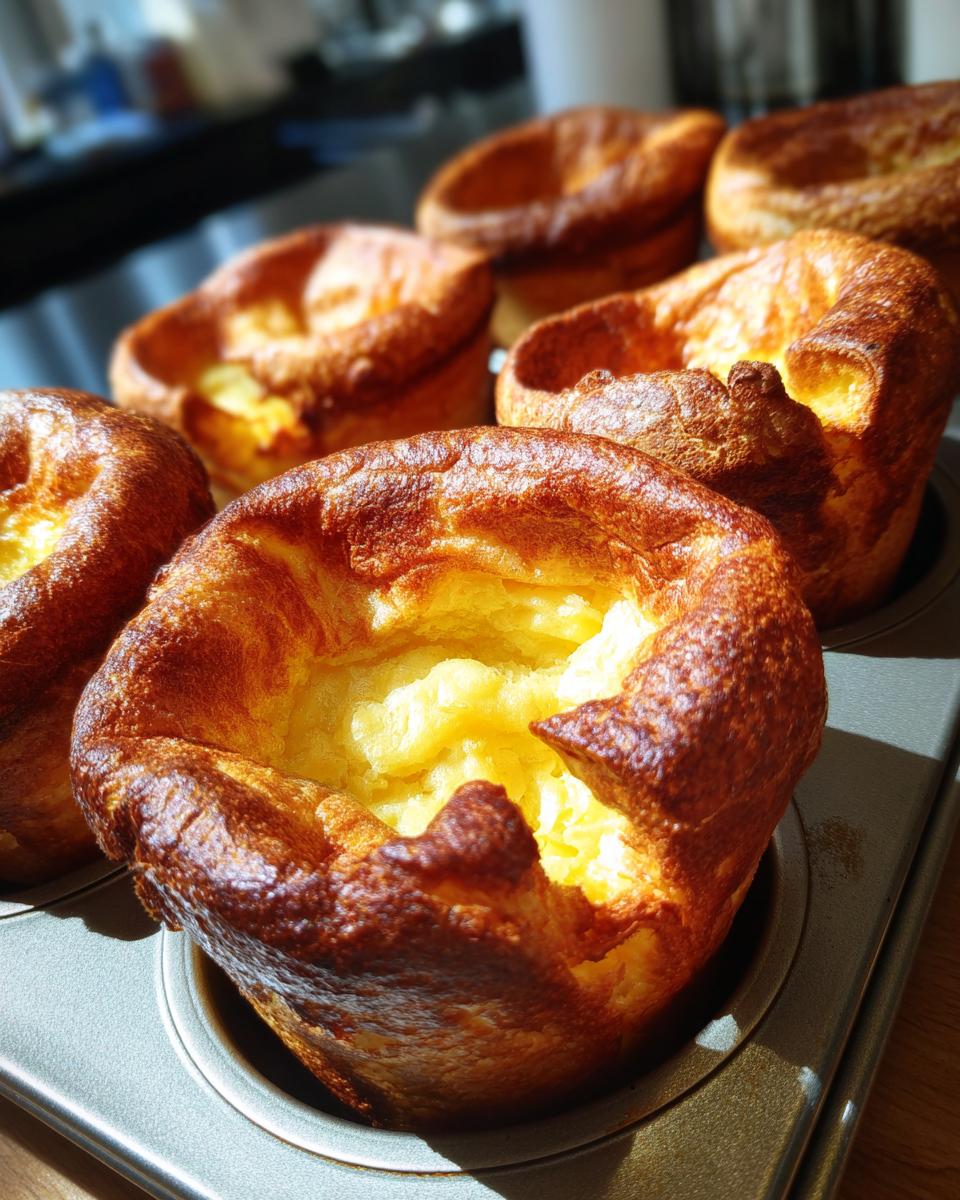
When the oven is fully hot and the fat is smoking, quickly pull the tin out, work fast, and pour the batter into the cups, filling them only about one-third full. Immediately pop that tin back into the oven. Now, and I cannot stress this enough: DO NOT OPEN THAT OVEN DOOR for the first 20 minutes. Seriously, walk away! Let the heat do its job. They’re done when they are puffed up high, deep golden brown, and look wonderfully crisp around the edges. Serve them straight away with gravy so they don’t deflate while cooling. If you want to see how others nail this timing, check out the fantastic tips they have listed over here, or see more baking flow advice from another great chef here.
Yorkshire Pudding Tips and Tricks for Success
Since I’ve gone deep into the science behind the rise, I want to share a few extra little nuggets of advice that take your yorkshire pudding from good to glorious. These little details are what separate the professional recipe developers from the home bakers—though honestly, they are just simple things we learn through testing! Getting the texture right means focusing purely on heat and proportions.
Temperature Control: The Key to Golden Brown Puddings
Temperature, temperature, temperature! I swear, if your fat isn’t smoking, you might as well be baking biscuits. That extreme heat is what instantly vaporizes the water in the batter. That rapid conversion to steam is what physically forces your pudding up and out, creating those fantastic airy pockets that turn into your signature Puffy Popovers. If the oven drops even slightly when you slide the tin in, you lose that initial explosive lift. Keep that temperature locked in!
Ingredient Ratios for Traditional British Side Dish
One thing my food science background taught me is the power of ratio. For a truly classic batch, the real secret to this Traditional British Side Dish lies in a simple volume principle: equal parts of flour, milk, and eggs. If you want to scale my recipe up or down, just stick close to that 1:1:1 ratio (flour to milk to eggs by volume, not weight) and adjust your salt slightly. It keeps the batter consistency right where it needs to be for that perfect, reliable rise!

For more detailed technical secrets on keeping things perfect, even when scaling, I found some great community insights here that you might find helpful!
Variations on the Yorkshire Pudding Recipe
Now that you’ve mastered the foolproof method, you might be wondering about scaling things up or making adaptations. It’s easy to adjust this recipe! Honestly, the core science of the heat and the batter mixing stays the same, no matter what size tray you use for your yorkshire pudding.
Making Individual Yorkshire Puddings
If you’re serving these as a Quick Side Dish for Beef or want perfect portions for everyone (which I highly recommend!), just use a 12-cup muffin tin, as detailed in the instructions. You use the same amount of fat per cup, and the baking time stays around 20 to 25 minutes. It’s neat, tidy, and everyone gets a tall one!
Gluten Free Yorkshire Pudding Adaptations
If you have friends or family who can’t have standard flour, don’t panic! You can definitely make a great batch for them too. While this particular recipe uses the regular white flour, the technique itself translates really well to gluten-free flour blends. You might need to adjust the liquid slightly, but the hot fat rule still applies to get that great rise for your Classic English Recipe. For a fantastic specific guide on swapping ingredients out, you can check out these tips here.
Serving Suggestions for Your Roast Dinner Accompaniments
Honestly, a perfect yorkshire pudding is basically waiting for gravy. It’s criminal to eat them plain! These are the ultimate Sunday Roast Recipes component. They are famous for soaking up every last drop of meat juices.
You simply must pair these with rich roast beef and plenty of onion gravy. If you aren’t doing roast beef, they are incredible with roasted chicken or lamb too. Imagine reaching into that crisp pocket and drowning it in rich sauce—it’s pure comfort! For a fantastic gravy recipe that’s just begging for these puddings, check out this recommendation here.
Storage and Reheating Instructions
So, you made too many glorious, puffy yorkshire puddings? Lucky you! The immediate aftermath of a roast dinner is always sad when the last one disappears, but don’t worry, saving them is easy.
If you have leftovers, you want to cool them down quickly, ideally on a wire rack rather than letting them sit in a damp container. Do not cover them when they are cooling, because that trapped steam is what makes them go soggy! Once they are completely cool—and I mean stone cold—you can store them in an airtight container at room temperature for up to two days. Chilling them works too, but room temp is often better for reheating.
Now, how do we bring them back to life? We have to fight that sogginess! The microwave is your enemy here; it’ll make them rubbery instantly. The best trick is to reheat them in a very hot oven—think 400°F (200°C). Pop them directly onto a baking sheet (no oil needed) and let them bake for about 5 to 8 minutes. They should crisp right back up to that perfect golden-brown texture you worked so hard for! If you have a toaster oven, that works even faster!
Frequently Asked Questions About Yorkshire Pudding
I know sometimes even with the best recipe, things go slightly sideways. That’s okay! Baking is always a learning curve. Here are the burning questions I always get asked about making beautiful, fluffy Yorkshire puddings.
Why Did My Yorkshire Pudding Collapse?
Oh, that heartbreaking moment! If your yorkshire pudding collapsed, 99% of the time it’s a temperature issue. You opened the oven door too soon, letting that beautifully hot air escape while the structure was still setting. Remember my rule: don’t peek before 20 minutes! If the fat you used wasn’t smoking hot to begin with, that lack of initial blast can also cause them to deflate a little bit. They need that aggressive heat shock!
Is the batter ratio the same as for Puffy Popovers?
Yes, absolutely! If you know how to make American Puffy Popovers, you basically know how to make this Classic English Recipe. The fundamental ratio of flour, egg, and milk is very nearly identical because the physics of the rise are the same—creating steam in a container. Our technique focuses a little more on higher fat and making sure the batter rests, but the core components are the same comfort foods!
Are these Yorkshire Puddings Cost-Effective?
This is one of my favorite things about this Traditional British Side Dish! They are wonderfully inexpensive to make. Flour, milk, and eggs are staple, budget-friendly ingredients. You don’t need fancy things at all, which is why you see recipes online showing £0.08 per pudding! It’s truly one of the best ways to bulk up a meal without spending a fortune. If you’re curious about celebrity chefs’ takes, I’ve heard there are debates out there, like comparing this simple method to Gordon Ramsay’s version!
For a broader dive into what makes a truly perfect pudding, you can check out some excellent technical breakdowns here.
Nutritional Estimate for Homemade British Comfort Food
As much as I love the alchemy of turning simple flour and milk into something wonderful, I do need to bring in a little bit of that food science background here! While these are definitely Homemade British Comfort Food, they aren’t exactly a diet staple, bless their crispy little hearts. The nutritional information can change wildly depending on whether you use beef dripping or vegetable oil, and how much gravy you pour on top afterwards—which is always a lot in my house!
Here is the estimated breakdown for one individual pudding, based on the standard recipe above:
- Serving Size: 1 pudding
- Calories: 130
- Sugar: 1g
- Sodium: 150mg
- Fat: 7g
- Saturated Fat: 2g
- Carbohydrates: 13g
- Protein: 5g
Just remember that these numbers are my best scientific guess based on the ingredients listed. If you swap out the beef dripping for something fattier, or if you use salted milk, those numbers will shift a little bit. It’s just a guideline, so you can enjoy your perfect, puffed-up yorkshire pudding guilt-free!
PrintThe Perfect Foolproof Yorkshire Pudding: Crispy Outside, Fluffy Inside

Make light, airy, and perfectly crisp Yorkshire puddings from scratch. This simple recipe delivers tall, golden-brown puddings ideal for your Sunday roast or holiday meal.
- Prep Time: 10 min
- Cook Time: 25 min
- Total Time: 65 min
- Yield: 12 individual puddings 1x
- Category: Side Dish
- Method: Baking
- Cuisine: British
- Diet: Vegetarian
Ingredients
- 1 cup all-purpose flour
- 1 cup whole milk
- 2 large eggs
- 1/2 teaspoon salt
- 1/2 cup beef dripping or vegetable oil (for heating)
Instructions
- Place a 12-cup muffin tin or a deep roasting pan into the oven. Add about 1/2 teaspoon of beef dripping or oil into each cup. Preheat the oven to 425°F (220°C).
- While the fat heats, prepare the batter. Whisk the flour and salt together in a large bowl. Make a well in the center.
- Crack the eggs into the well. Gradually whisk the milk into the eggs, then slowly incorporate the flour mixture until you have a smooth, thin batter, similar to heavy cream. Do not overmix; a few small lumps are acceptable.
- Let the batter rest at room temperature for at least 30 minutes, or chill for up to several hours. Resting helps the gluten relax and improves the rise.
- Once the oven is fully preheated, carefully remove the hot tin from the oven. The fat must be smoking hot to achieve the best rise.
- Quickly and carefully pour the batter evenly into the hot fat, filling each cup about one-third full. Work fast to keep the heat in the tin.
- Immediately return the tin to the hot oven. Do not open the oven door for the first 20 minutes of cooking.
- Bake for 20 to 25 minutes, or until the puddings are well-risen, deep golden brown, and crisp. Serve immediately with gravy and your roast dinner.
Notes
- The secret to tall Yorkshire puddings is extremely hot fat. The fat must be smoking before you pour in the batter.
- For individual puddings, use a 12-cup muffin tin. For larger puddings that soak up gravy well, use a deep roasting pan.
- Chilling the batter for at least 30 minutes helps create a better texture.
- Do not check the oven door during the initial rise, as a drop in temperature will cause the puddings to collapse.
Nutrition
- Serving Size: 1 pudding
- Calories: 130
- Sugar: 1
- Sodium: 150
- Fat: 7
- Saturated Fat: 2
- Unsaturated Fat: 5
- Trans Fat: 0
- Carbohydrates: 13
- Fiber: 0
- Protein: 5
- Cholesterol: 55