

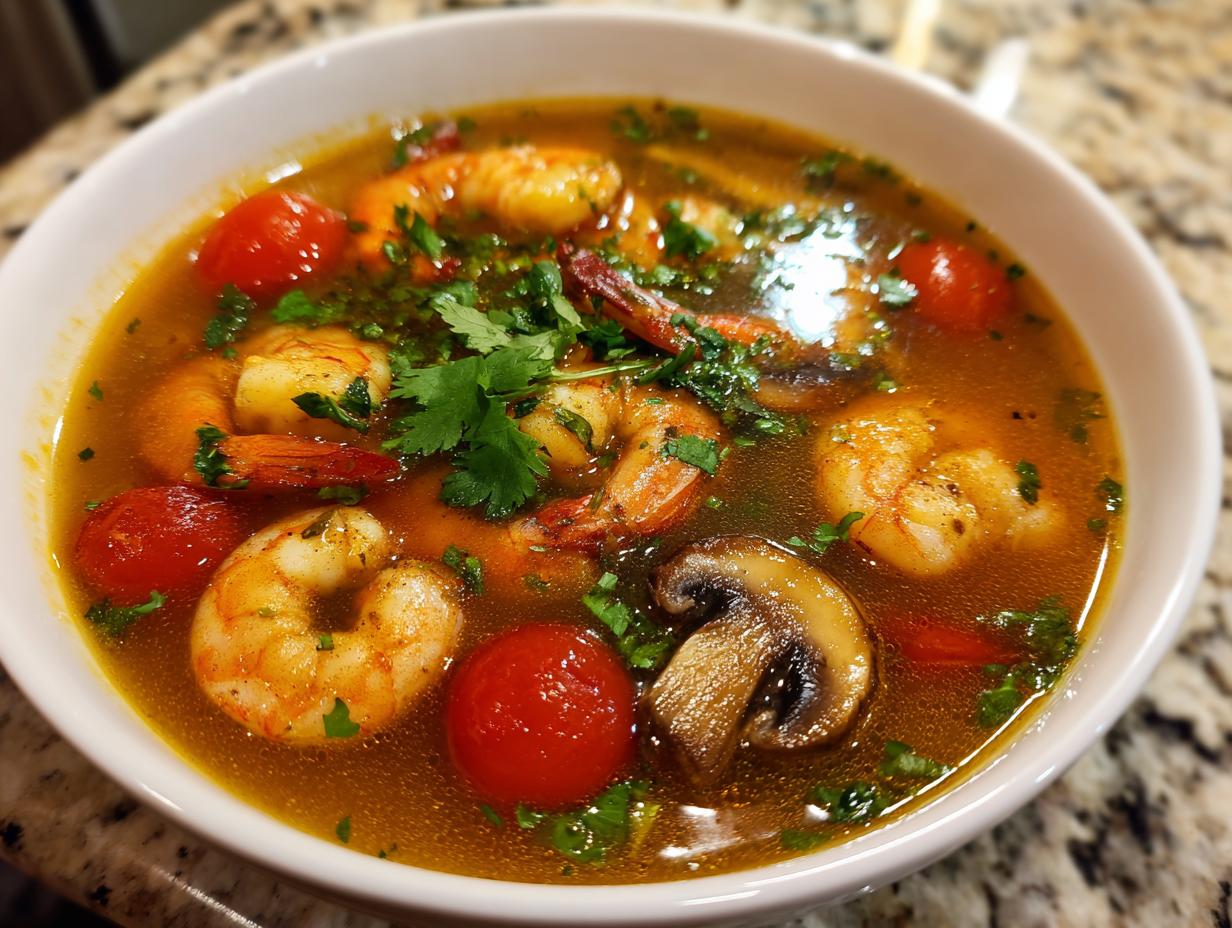
There’s just something about Thai cuisine that manages to hit every single note at once, isn’t there? It’s vibrant, it’s layered, and frankly, it’s addictive. If you want the absolute best expression of that flavor profile—that perfect, startling balance of spicy, sour, and unbelievably aromatic—you need to master the tom yum soup. Here at Alchemy Chef, I’m Juliana Cruz, and trust me when I say that having a background in Food Science mixed with my mother’s heritage recipes means I obsess over reliability. This isn’t just another soup recipe; this is professionally tested guidance to get you that restaurant-quality, authentic Thai flavor in under 35 minutes. Forget complicated simmering; we’re making magic happen fast!
- Why This Authentic Tom Yum Soup Recipe Works (The Alchemy Chef Promise)
- Essential Ingredients for Tom Yum Soup
- How to Make Tom Yum Goong: Step-by-Step Instructions
- Tips for Perfect Tom Yum Goong Recipe Results
- Serving Suggestions for Your Shrimp Soup Homemade
- Storage and Reheating Instructions for Tom Yum Soup
- Frequently Asked Questions About Tom Yum Soup
- Estimated Nutritional Snapshot for This Thai Comfort Food
- Share Your Authentic Thai Recipes Journey
Why This Authentic Tom Yum Soup Recipe Works (The Alchemy Chef Promise)
So many recipes promise the moon and deliver a watery broth, but I promise you, this tom yum soup delivers that restaurant quality every single time. My goal is always reliability, and the secret here involves a non-negotiable step: straining the broth. Yes, you read that right! Simmering those beautiful aromatics—lemongrass, galangal, and lime leaves—infuses the liquid deeply, but we remove them before adding the seafood. This leaves you with a perfectly clear, intensely flavored Aromatic Thai broth. It tastes complex, but guess what? The whole thing comes together for a fantastic Quick Thai dinner in about 35 minutes total!
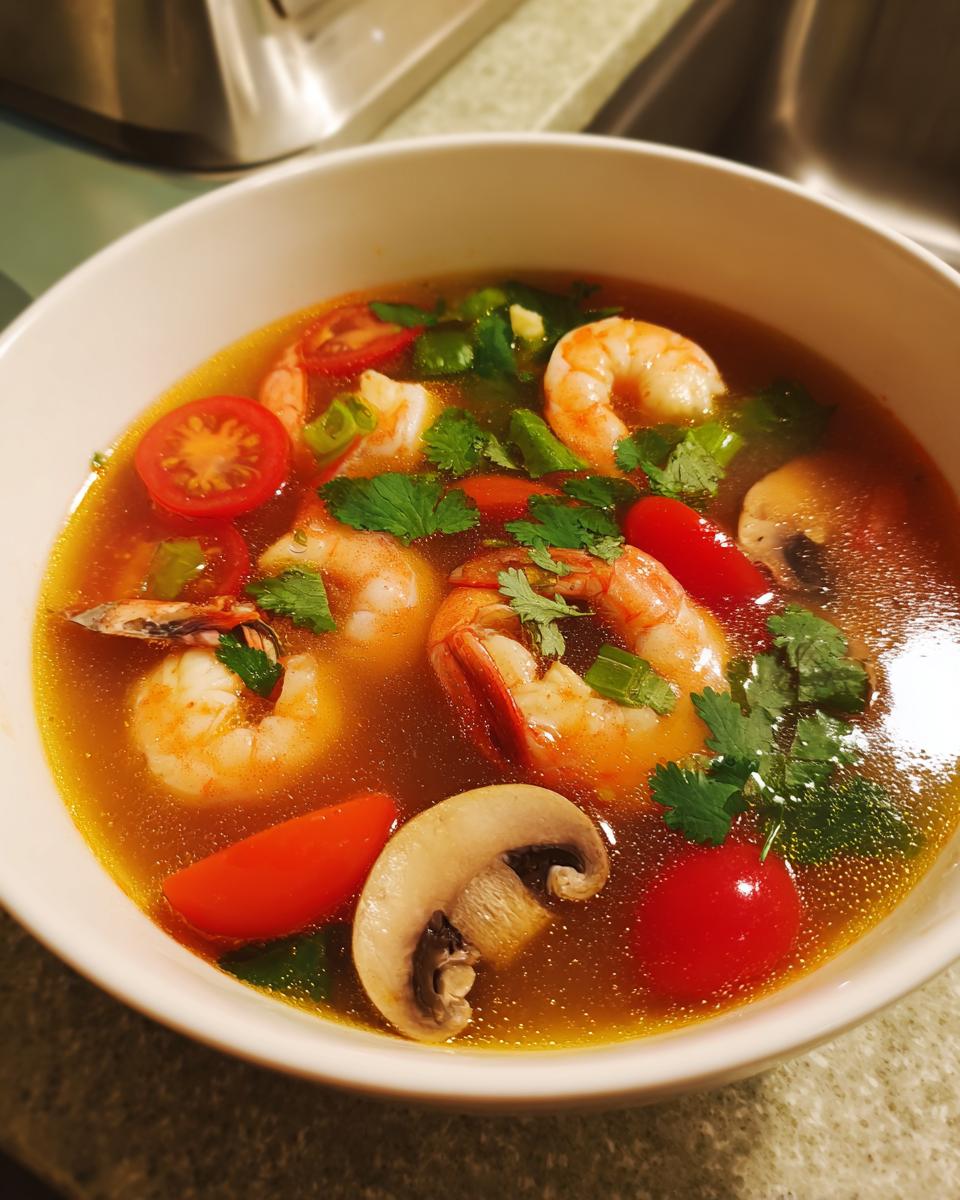
Achieving That Signature Spicy Sour Soup Balance
The soul of true tom yum soup isn’t just in the herbs; it’s in the fight between the sour and the spice! You need the sharp tang from fresh lime juice to cut through everything, the heat from your chilies (use the paste *and* fresh ones for depth!), and that deep, savory base from the fish sauce. My biggest piece of advice is never stop tasting. Don’t worry about following the measurements exactly for the seasoning; pull the pot off the heat and adjust until that spicy sour punch feels exactly right for you. That final taste test is the difference between good soup and unforgettable tom yum soup.
Essential Ingredients for Tom Yum Soup
Look, if you want authentic flavor that sings, you can’t skimp on the foundational aromatics. This is where the science meets the heritage in my kitchen! If you skip these, you end up with a pleasant, but not quite *Thai*, soup. We need to build that spectacular Aromatic Thai broth first. Trust me, getting the preparation right on these components is half the battle to nailing this tom yum soup.
Here is exactly what you need to make this happen:
- 6 cups chicken or vegetable broth
- 1 pound raw shrimp, peeled and deveined
- 2 stalks lemongrass, tough outer layers removed, cut into 2-inch pieces, bruised
- 1 inch galangal, thinly sliced
- 6 kaffir lime leaves, torn slightly
- 2-3 Thai chilies, crushed (adjust to your heat preference)
- 1/4 cup fish sauce (or vegan fish sauce for a vegan option)
- 1/4 cup fresh lime juice
- 1 tablespoon brown sugar
- 1 cup straw mushrooms or button mushrooms, halved
- 1/2 cup cherry tomatoes, halved
- 2 tablespoons chili paste in oil (Nam Prik Pao)
- Fresh cilantro, chopped, for garnish
Ingredient Notes and Substitutions for Your Tom Yum Soup
I always get questions about the aromatics, so let’s tackle those substitutions upfront. If you truly cannot find galangal—and honestly, it’s tough sometimes—you can use fresh ginger, but you must know the flavor won’t be quite as sharp and floral. For those going meat-free, we absolutely have a solution for the Vegan Tom Yum option! Just swap the shrimp for firm tofu cubes and use a vegan fish sauce substitute instead of the traditional kind. It keeps that necessary salty depth without the fish!
How to Make Tom Yum Goong: Step-by-Step Instructions
As a recipe developer, I can tell you that the biggest difference between okay Tom Yum and incredible Tom Yum is patience during the first two steps. Don’t rush this part; this is where we extract all that gorgeous, essential Thai flavor. We follow the method exactly, which keeps everything clean and vibrant. You aren’t just boiling water; you are creating a foundation for incredible flavor!
- Combine the broth, bruised lemongrass, sliced galangal, and torn kaffir lime leaves in a large pot. Bring the mixture to a boil over medium-high heat.
- Reduce the heat and simmer for 10 minutes to infuse the broth with the aromatics. This creates your aromatic Thai broth base.
- Strain the broth to remove the lemongrass, galangal, and kaffir lime leaves. Return the clear broth to the pot and bring it back to a gentle simmer.
- Add the crushed Thai chilies and chili paste in oil to the broth. Stir until the paste dissolves.
- Add the mushrooms and tomatoes. Cook for 2 minutes until the mushrooms soften slightly.
- Add the shrimp. Cook for 2-3 minutes until the shrimp turn pink and opaque. Do not overcook.
- Remove the pot from the heat. Stir in the fish sauce, fresh lime juice, and brown sugar. Taste and adjust seasoning—add more lime for sourness or fish sauce for saltiness.
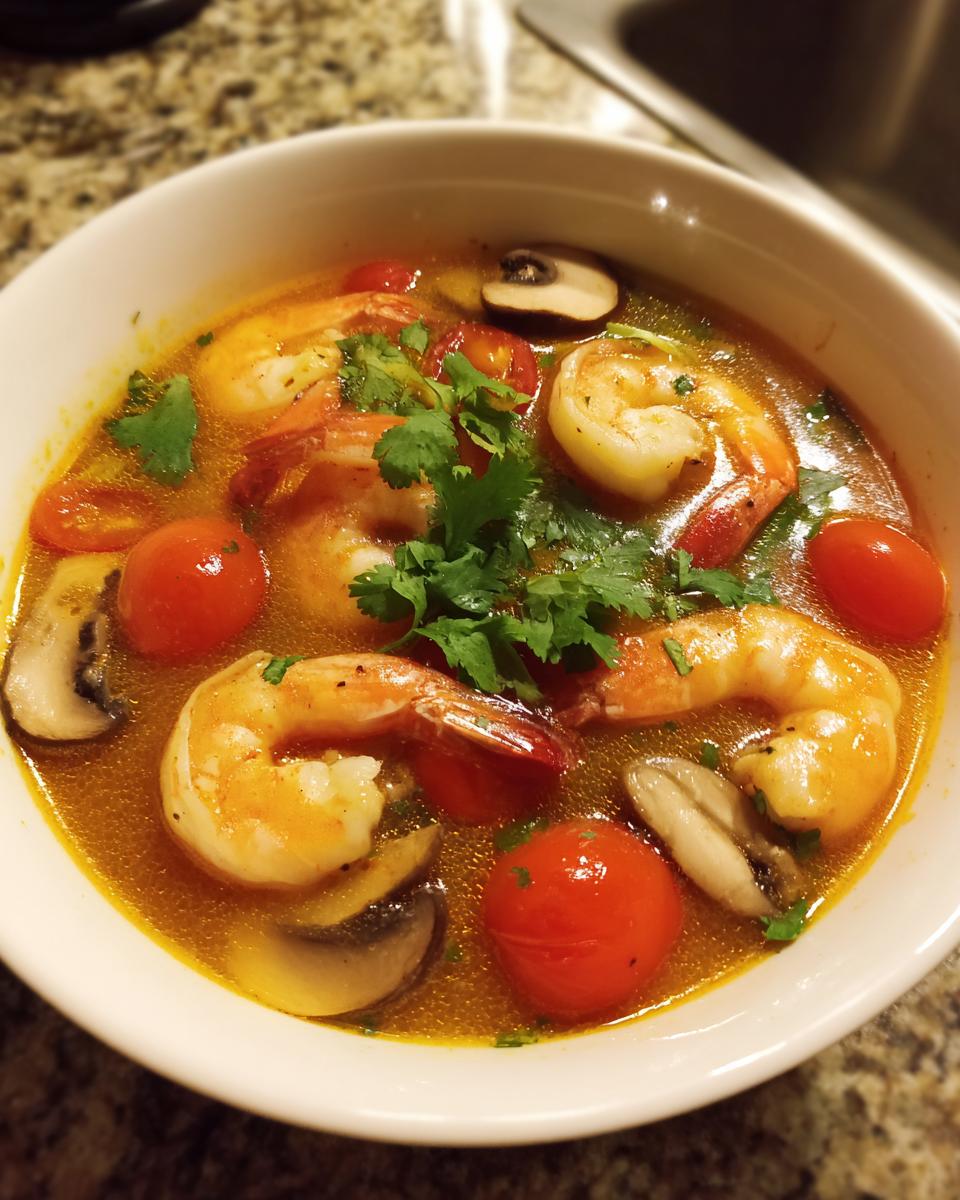
- Ladle the hot and sour soup into bowls. Garnish generously with fresh cilantro before serving your quick Thai dinner.
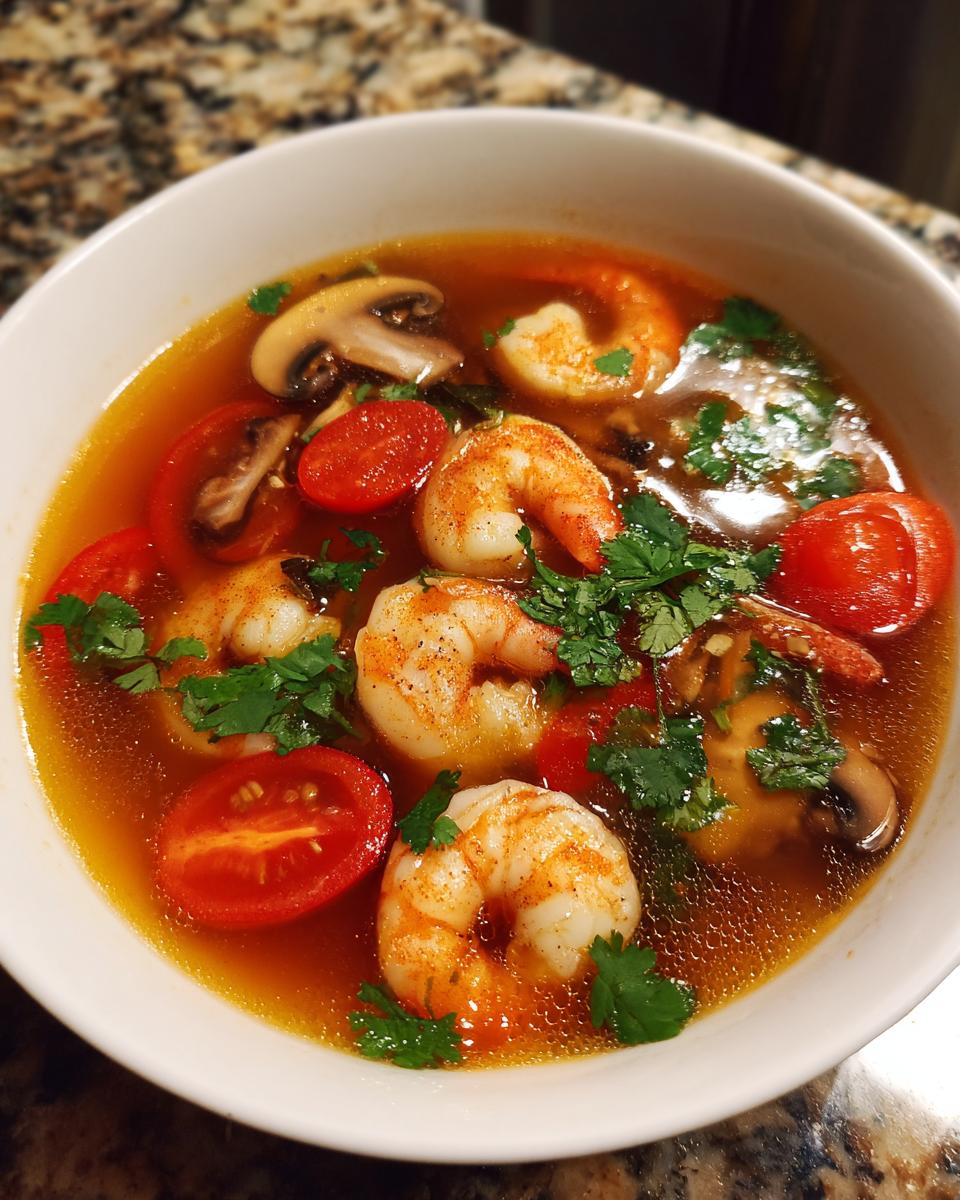
Building the **Aromatic Thai Broth** Base
This initial simmer is the science part! We need that slow, 10-minute infusion where the oils from the lemongrass and that floral kick from the galangal actually melt into the broth. I know it feels slow when you’re hungry, but this is what gives you that deeply fragrant liquid that screams tom yum soup perfection. If you rush this, you just have spicy, sour water, trust me. After that simmer, that straining step—that’s my pro move—it keeps your final soup beautifully clean and lets the shrimp shine when you add them back in later. If you want more depth, check out this guide for building even more layers!
Tips for Perfect Tom Yum Goong Recipe Results
Listen, I learned a lot through trial and error in my early days developing these Authentic Thai recipes. I remember one batch where I got so excited about the aroma while infusing the broth that I let it go for nearly 20 minutes. When I finally tasted it, the lemongrass flavor was overwhelming, sharp almost. It taught me that 10 minutes is the sweet spot. You get all the perfume without the bitterness. Another time, I got distracted by a text, and the shrimp went from pink to rubbery in about 30 seconds flat! Never, ever walk away once those beautiful shrimp hit the hot liquid.
If you want to move beyond the classic clear soup and you’re craving something richer, you have an option right in the notes called Tom Yum Nam Khon. Just stir in about 1/4 cup of evaporated milk or full-fat coconut milk right at the very end, after you’ve turned off the heat. It turns this vibrant, tangy soup into something luxuriously creamy. It’s almost like a completely different dish but uses the same amazing base!
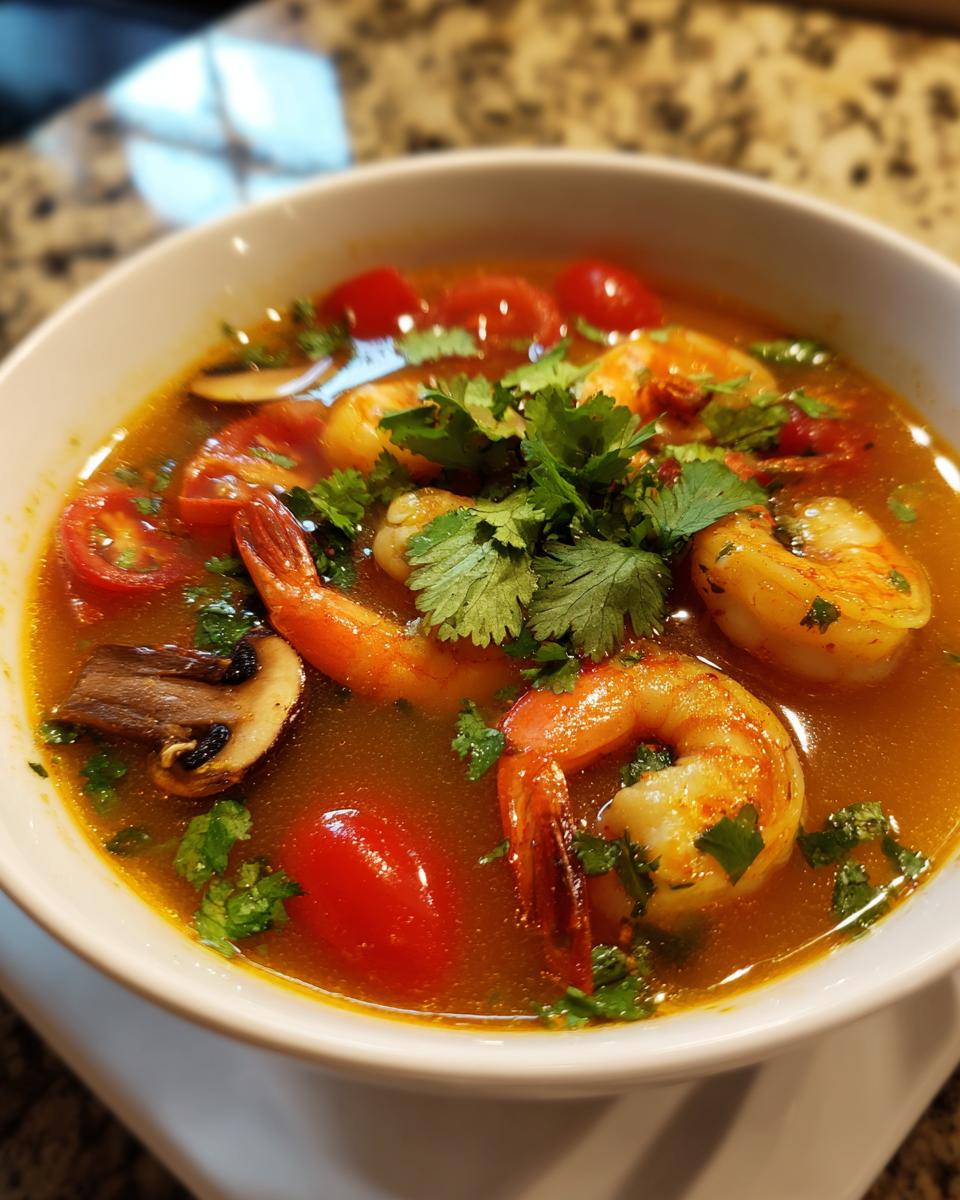
Protein Variations for Your Thai Soup Recipe
While this specific Tom Yum Goong recipe focuses on shrimp, it’s so flexible! If you’re making it on a busy Monday and don’t want to mess with peeling shrimp, chicken thighs cut into bite-sized pieces work wonderfully. Just add the chicken during the final simmer step *before* the shrimp, and make sure it cooks all the way through—that usually takes about 6 to 8 minutes, depending on size. If you are following that Vegan Tom Yum option we talked about earlier, use tofu cubes. Add the tofu right when you add the mushrooms; it just needs a few minutes to warm up and absorb that incredible broth.
Serving Suggestions for Your Shrimp Soup Homemade
This vibrant tom yum soup is so bold and intense that it really wants to be the star of the show, but it still needs a perfect supporting cast. When you’ve done all that work building the perfect Aromatic Thai broth, make sure you serve it right away! Don’t let this flavor masterpiece sit around cooling off. It needs to hit the table while it’s still steaming hot to really blast those spicy and sour notes across your palate.
The absolute classic pairing—and the one I always go for—is a big bowl of perfectly steamed jasmine rice. The rice (or sometimes sticky rice, if I’m feeling ambitious) is essential because it acts as this wonderful, neutral canvas that soaks up that glorious, tangy broth. It balances out the heat and savoriness of the Spicy sour soup perfectly so you can keep eating bowl after bowl without your mouth feeling overwhelmed.
I also like to have an extra little dish of sliced bird’s eye chilies in a splash of fish sauce on the side. Some people want *more* heat, you know? It’s so easy to let people customize it right at the table. A little bit of fresh lime wedge on the side is good too, just in case someone feels the final flavor needs an extra zing of pure sourness. Enjoy it immediately!
Storage and Reheating Instructions for Tom Yum Soup
Okay, so what happens if you manage to have amazing leftovers of this glorious tom yum soup? Because it’s so intensely flavorful, it actually keeps pretty well, but we have to treat those fresh ingredients right! You can store any leftovers in a tightly sealed container in the refrigerator for up to three days. Seriously, it’s still fantastic the next day—sometimes I think the flavors actually meld even more overnight!
Now, the reheating part requires a little finesse, especially if you want that bright, signature zing back. Don’t just blast it on high heat! Reheat your broth gently over medium-low heat on the stovetop. We need it warm, not boiling aggressively. Why? Because that fresh lime juice you added at the end? It’s delicate!
If you boiled the soup hard again, that beautiful, sharp sourness from the lime totally disappears, and your Spicy sour soup ends up tasting flat. So here’s my recommendation as someone who has definitely ruined a batch by overheating it: reheat the soup base gently until just steaming. Then, right before you serve it up, stir in half a teaspoon of fresh lime juice per bowl. That little bit of fresh hit brings the flavor right back to life, making it taste like you just cooked it moments ago. It’s a tiny step, but it shows you’re applying what we’ve learned here!
Frequently Asked Questions About Tom Yum Soup
If you’ve been following along, I bet you have a few last-minute questions bubbling up! That’s totally normal when you’re diving into a recipe as vibrant as this tom yum soup. I’ve gathered the ones I hear most often from people trying this for the first time. Let’s clear up any confusion so you can confidently make this amazing Thai comfort food!
What is the difference between Tom Kha vs Tom Yum?
Oh, this is a great one! People often mix them up because they share those amazing foundational herbs, but they are truly different experiences. The biggest differentiator is the milk base. Classic tom yum soup is a clear broth—it might be slightly cloudy from the chili paste or shrimp shells if you left them in, but it’s meant to be light, sharp, and focused on that sourness and spice. Now, Tom Kha uses coconut milk stirred in at the end, which makes it instantly creamy, richer, and slightly milder overall. If you want that vibrant wake-up call, stick with Tom Yum; if you want something truly soothing, go for Tom Kha!
Can I make this a Lemongrass Galangal Soup without shrimp?
Absolutely, yes! Remember how I stressed that the true magic of this dish comes from infusing the broth with the lemongrass, galangal, and lime leaves? That’s the heart of the soup, no matter what protein you use. If you follow those notes I left about the substitution, you can easily create a fantastic Vegan Tom Yum option using tofu or even just loaded with more mushrooms. The broth itself is the star, so if you skip the shrimp, you still get that incredible Lemongrass Galangal Soup flavor profile. Just make sure to use vegetable broth if you are going fully vegetarian!
Can I use dried herbs instead of fresh for my Aromatic Thai Broth?
I strongly advise against this if you are aiming for authentic flavor. Galangal and lemongrass release their essential oils when they are freshly bruised or sliced, which is what creates that fragrant perfume you smell when you walk past a great Thai restaurant. Dried herbs just don’t have the molecular structure to release that intense, high note fragrance. For this recipe, if you can find them fresh (they are often in the freezer section of Asian markets!), they are worth the effort. It’s what makes the difference between a good Thai soup recipe and the best one you’ve ever made!
Is this too spicy for a Weeknight Thai Soup?
That’s entirely up to you, but the beauty of making it at home is that you are the thermostat! I listed 2-3 Thai chilies crushed, which gives it a solid, medium-to-hot kick—enough to make you sweat a little, but not enough to ruin dinner. If you are sensitive to heat, start by crushing just one chili and discarding half of the seeds before adding it to the pot when you add the chili paste. You can always add more heat later, but you can’t take it out! Keep the chili paste low if you prefer a milder, more savory experience, and focus more on the lime for tanginess.
Estimated Nutritional Snapshot for This Thai Comfort Food
When I’m developing these Authentic Thai recipes, I always run the final ingredient list through a calculation program just so we know what we are putting into our bodies. While this tom yum soup is light and packed with fresh flavor, it does have some sodium from the fish sauce, which is unavoidable in this style of cooking, but it’s low in fat and super high in protein thanks to all that shrimp!
Keep in mind, these numbers are always just estimates based on the ingredients I personally use, especially the type of broth and the specific brand of fish sauce. If you use a lot more chili paste, your numbers will shift a bit. But generally, this is a brilliant, low-calorie way to enjoy serious flavor!
Here is the quick breakdown for one serving of this glorious Spicy sour soup:
| Nutrient | Amount (per bowl) |
|---|---|
| Serving Size | 1 bowl |
| Calories | 180 |
| Protein | 22g |
| Fat | 4g |
| Carbohydrates | 15g |
| Sugar | 5g |
| Sodium | 950mg |
See that protein count? It’s fantastic for feeling satisfied without any heavy carbs weighing you down. It’s a perfect light lunch or a robust appetizer for a larger meal. Enjoy knowing you are fueling up on genuine, vibrant flavor!
Share Your Authentic Thai Recipes Journey
Now that you have mastered the alchemy of creating that perfect, bold tom yum soup, I truly want to see what you created! This is the part of cooking that I love the most—seeing how this recipe travels from my development kitchen into your home. When you feel like you’ve nailed that signature spicy and sour balance, please, tell me about it!
Right down below, leave a rating for the recipe. Did you find it easy? Was the 35-minute promise accurate for you? I love that feedback so much because it helps me keep testing and refining these Authentic Thai recipes for everyone else.
And if you snapped a beautiful photo of your steaming bowl of Shrimp soup homemade, please tag me on social media! I love seeing the garnishes—did you use extra cilantro? Did you go heavy on the chili paste? Use the hashtags so I can find you!
Most importantly, tell me about the heat level! My recipe aims for a solid medium, but Thai food is so personal when it comes to spice. Did you dial it up to eleven? Or are you sticking to the milder side? Hearing those little adjustments—maybe you tried a bit more lime, or perhaps you went heavy on the chili paste in oil—that’s the real learning moment for the community. Sharing those small victories helps the next person who attempts this incredible Thai soup recipe feel confident right from the start. Happy cooking!
PrintAuthentic Shrimp Tom Yum Goong Soup

Make the best homemade Tom Yum Goong, a famous Thai hot and sour shrimp soup. This recipe delivers the signature spicy, sour, and aromatic flavor in under 35 minutes for a quick weeknight dinner.
- Prep Time: 15 min
- Cook Time: 20 min
- Total Time: 35 min
- Yield: 4 servings 1x
- Category: Soup
- Method: Stovetop
- Cuisine: Thai
- Diet: Low Fat
Ingredients
- 6 cups chicken or vegetable broth
- 1 pound raw shrimp, peeled and deveined
- 2 stalks lemongrass, tough outer layers removed, cut into 2-inch pieces, bruised
- 1 inch galangal, thinly sliced
- 6 kaffir lime leaves, torn slightly
- 2–3 Thai chilies, crushed (adjust to your heat preference)
- 1/4 cup fish sauce (or vegan fish sauce for a vegan option)
- 1/4 cup fresh lime juice
- 1 tablespoon brown sugar
- 1 cup straw mushrooms or button mushrooms, halved
- 1/2 cup cherry tomatoes, halved
- 2 tablespoons chili paste in oil (Nam Prik Pao)
- Fresh cilantro, chopped, for garnish
Instructions
- Combine the broth, bruised lemongrass, sliced galangal, and torn kaffir lime leaves in a large pot. Bring the mixture to a boil over medium-high heat.
- Reduce the heat and simmer for 10 minutes to infuse the broth with the aromatics. This creates your aromatic Thai broth base.
- Strain the broth to remove the lemongrass, galangal, and kaffir lime leaves. Return the clear broth to the pot and bring it back to a gentle simmer.
- Add the crushed Thai chilies and chili paste in oil to the broth. Stir until the paste dissolves.
- Add the mushrooms and tomatoes. Cook for 2 minutes until the mushrooms soften slightly.
- Add the shrimp. Cook for 2-3 minutes until the shrimp turn pink and opaque. Do not overcook.
- Remove the pot from the heat. Stir in the fish sauce, fresh lime juice, and brown sugar. Taste and adjust seasoning—add more lime for sourness or fish sauce for saltiness.
- Ladle the hot and sour soup into bowls. Garnish generously with fresh cilantro before serving your quick Thai dinner.
Notes
- For a Vegan Tom Yum option, substitute shrimp with firm tofu cubes and use vegan fish sauce.
- If you cannot find fresh galangal, use ginger as a substitute, though the flavor profile will change slightly.
- To achieve a creamy texture, stir in 1/4 cup of evaporated milk or coconut milk during the final step, transforming it into Tom Yum Nam Khon.
Nutrition
- Serving Size: 1 bowl
- Calories: 180
- Sugar: 5
- Sodium: 950
- Fat: 4
- Saturated Fat: 1
- Unsaturated Fat: 3
- Trans Fat: 0
- Carbohydrates: 15
- Fiber: 2
- Protein: 22
- Cholesterol: 140