
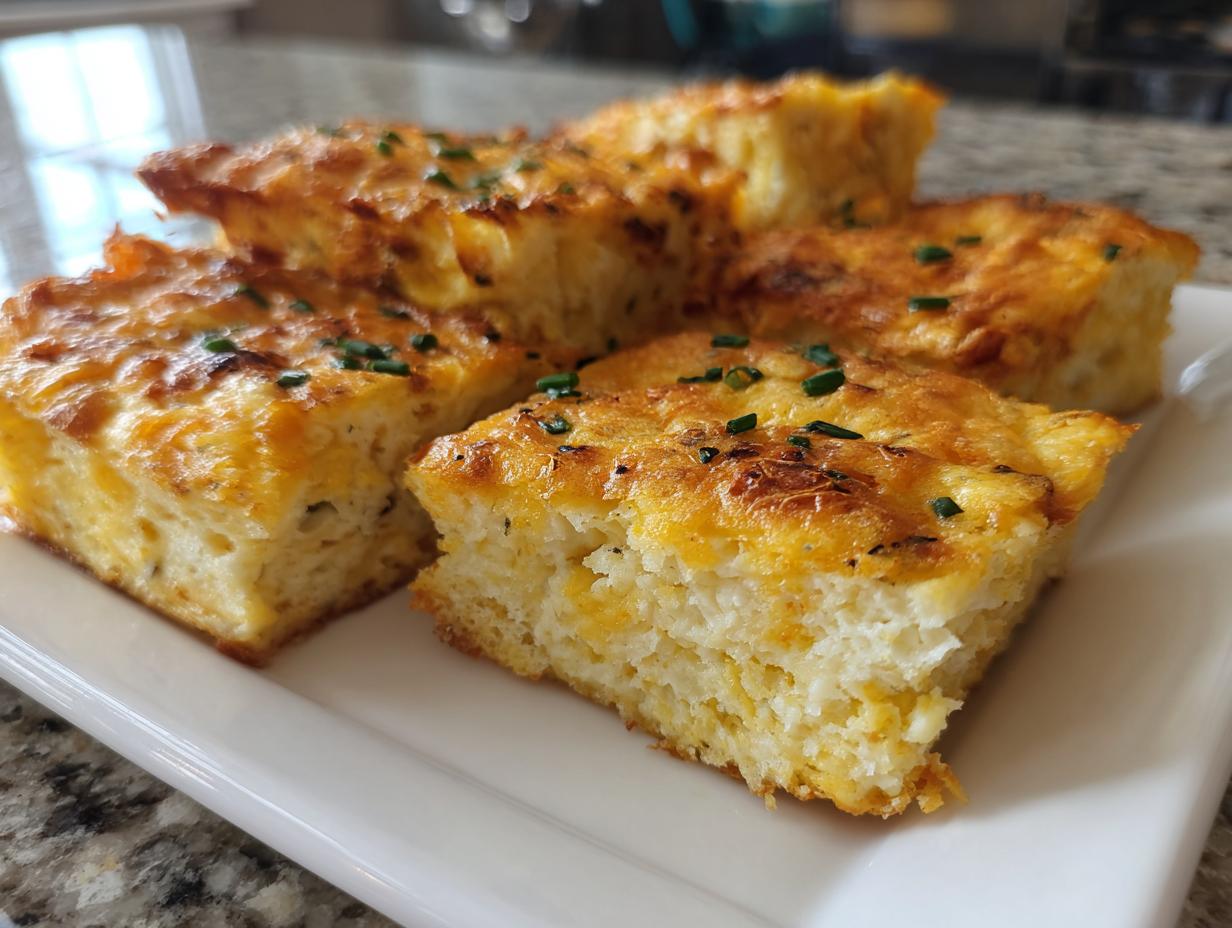
If your mornings feel like a race against the clock, I totally get it. When I started Alchemy Chef, my biggest goal was to take the guesswork out of reliable cooking, especially when it came to big breakfast batches. That’s why I’m obsessed with these sheet pan eggs. Seriously, this recipe is the secret weapon for busy people. We’re talking perfect results from the oven, incredibly easy cleanup thanks to one simple hack, and they are absolutely fantastic for meal prep or feeding a crowd. You can slice them up for perfect breakfast sandwiches, and they just never let you down. It’s the precision of my food science background meeting my dad’s need for hearty, no-fuss meals!
- Why This Customizable Sheet Pan Eggs Recipe Works for You (Primary Keyword)
- Essential Ingredients for Perfect Sheet Pan Eggs (Primary Keyword)
- How to Make Sheet Pan Eggs: Step-by-Step Oven Baked Eggs for Breakfast
- Tips for Success When Making Sheet Pan Eggs for Sandwiches (Primary Keyword)
- Serving Sheet Pan Eggs for Breakfast for a Crowd
- Customizable Sheet Pan Eggs: Variations and Flavor Boosts
- Storage and Reheating Instructions for Sheet Pan Breakfast Bake
- Frequently Asked Questions About Sheet Pan Eggs (Primary Keyword)
- Estimated Nutritional Data for Your Sheet Pan Eggs
Why This Customizable Sheet Pan Eggs Recipe Works for You (Primary Keyword)
If you’re looking for an easy sheet pan egg recipe that actually delivers every single time, this is it. We developed this recipe for ultimate reliability, so you don’t waste time troubleshooting—you just eat! The big draws here are feeding a crowd without stress, prepping a week’s worth of food, and seriously cutting down on dishes. It’s the ultimate quick morning breakfast idea when time is tight.
Effortless Cleanup: The Secret to Easy Sheet Pan Eggs (Primary Keyword)
Listen, the best part of these sheet pan eggs is the cleanup! If you skip the lining, you’re going to scrub. The trick is to use parchment paper, running it up the sides a bit. You just lift the entire baked egg slab right off the pan when it’s done. Honestly, it turns what should be a major chore into an easy cleanup breakfast idea. You’ll barely have a sink full!
Meal Prep Power: Making Ahead Breakfast Bakes
This recipe truly shines when you use it for make ahead breakfast bakes. Once cooled, you slice the eggs into squares or strips—whatever fits your favorite English muffins best. Store them in an airtight container in the fridge. It basically lets you skip cooking eggs all week long! And if you have extra leftovers? Don’t worry about them going bad. You can actually freeze the sliced pieces between sheets of parchment paper, which keeps them from sticking together in the freezer.
Essential Ingredients for Perfect Sheet Pan Eggs (Primary Keyword)
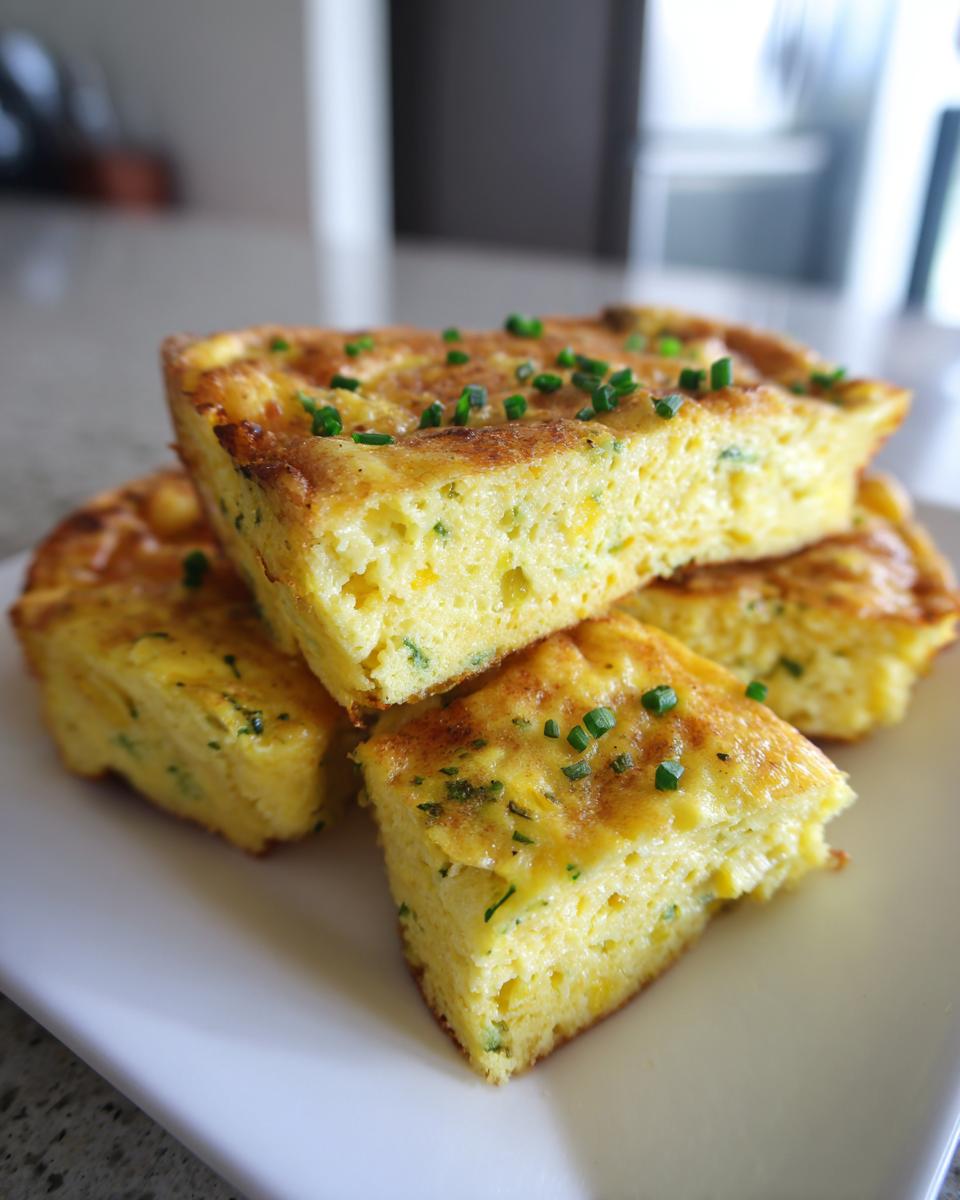
When you’re looking for a recipe you can trust, the ingredients have to be spot on. For these sheet pan eggs, we keep the base super simple so you can focus on customization. You’ll need twelve large eggs—that’s the core of the dish. And here’s a little trick I picked up: if you want some real staying power in your breakfast, you absolutely must try adding the optional cup of cottage cheese. This bumps up the protein significantly! We balance that with a quarter cup of milk or water, plus simple salt and pepper seasoning.
Don’t forget the fat for prepping the pan! Butter or spray works, but I always recommend the parchment paper trick we discussed earlier. For the add-ins, just remember that whatever you choose has to be either pre-cooked or small enough to cook through in that 20-minute window.
Ingredient Notes and High Protein Sheet Pan Eggs Additions
Let’s talk about that cottage cheese. It sounds odd, I know, but trust me, when you whisk it in, it breaks down and blends with the eggs during baking. It adds an incredible creaminess you just can’t get otherwise, turning this into one of those fantastic high protein sheet pan eggs recipes without making them taste like… well, cottage cheese.
For your veggies, keep them small! If you’re chopping bell peppers, I mean finely diced—think about half an inch or smaller. If they are too big, they won’t cook properly next to the eggs; they’ll just be crunchy vegetables sitting on top of perfectly cooked eggs. If you use cheese, a shredded cheddar or Monterey Jack melts nicely across the top about halfway through baking, but you can add it right at the beginning too. It’s your canvas!
How to Make Sheet Pan Eggs: Step-by-Step Oven Baked Eggs for Breakfast
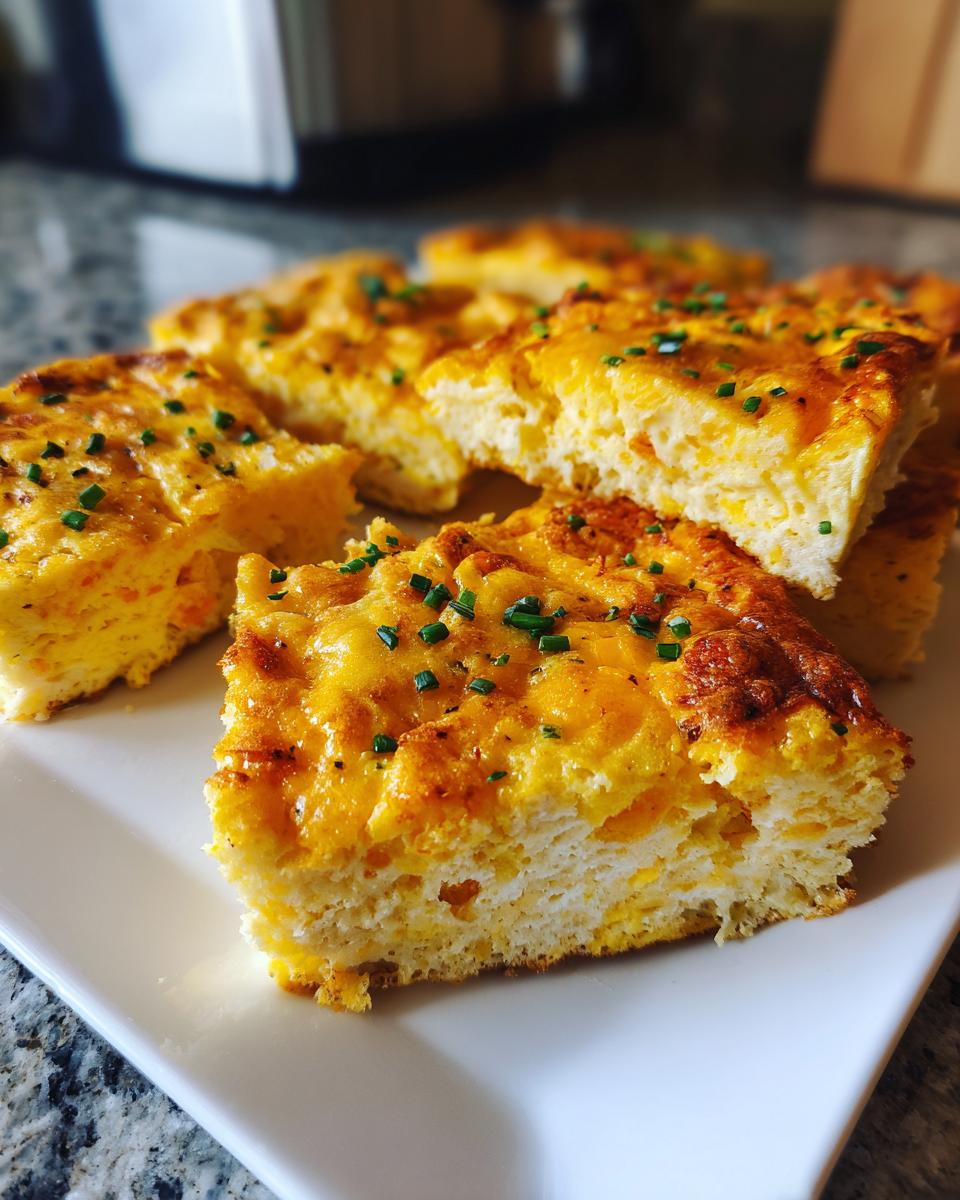
Alright, listen up! We are ditching the messy stovetop scrambling for this oven baked eggs for breakfast method, and it’s a game-changer for busy mornings. First things first, you gotta get that oven heated up—set it to 375 degrees Fahrenheit. While it’s warming, take your standard 13×18 inch sheet pan. Now, here is the secret weapon again: grease it well, then line it with parchment paper, making sure the paper drapes over the sides. That little bit of overhang makes lifting everything out so easy. This technique is what prevents the mess we hate on those days when we rely on sheet pan eggs for a fast meal!
Once the pan is prepped, you’re ready for the eggs. Pour that mixture out evenly across the lined surface. We bake this big rectangle for about 18 to 22 minutes total, according to the sheet pan eggs guidelines. You’re looking for just set—not jiggly in the middle, but definitely not dry and rubbery on the edges. If you added veggies or cheese, sprinkle those over the top right before it goes into the heat! This is the easiest way to get reliable oven baked eggs for breakfast.
Mixing and Pouring the Sheet Pan Scrambled Eggs Recipe Base
When you whisk, you need to make it uniform. If you’re using that high-protein cottage cheese I love, take a minute and really try to break down those curds so they blend nicely into the eggs. We’re aiming for that sheet pan scrambled eggs recipe consistency: smooth, maybe a little frothy from all that whisking. Once it’s mixed, pour it slowly onto your sheet pan. Make sure it settles into an even layer; uneven layers mean some parts bake faster than others, and we want consistency in our breakfast!
Tips for Success When Making Sheet Pan Eggs for Sandwiches (Primary Keyword)
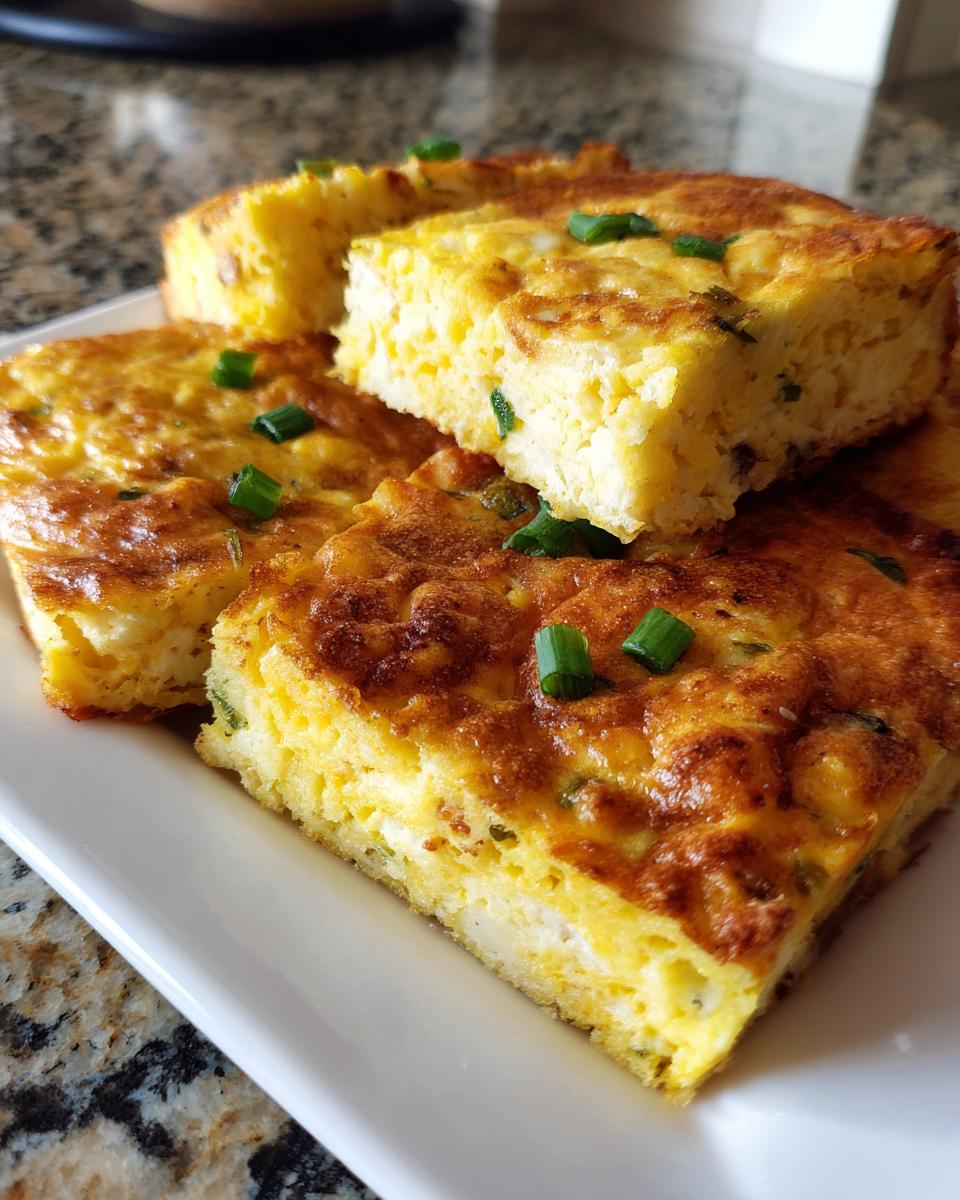
Baking these beautiful sheet pan eggs is simple, but getting that perfect texture takes a little nuance—that’s where the ‘alchemy’ comes in! First, do not mess with the 375°F. If you bake them hotter, the edges get rubbery before the middle is set, which ruins the whole batch. Also, make sure you let them rest for five minutes after they come out of the oven. They’ll firm up just the right amount during that cool down.
When it comes to slicing them up for those glorious sheet pan eggs for sandwiches, don’t use a dull knife! You want clean cuts. Pay attention to the size of your bread or English muffins; slice the eggs into squares or rectangles that fit nearly edge-to-edge on your roll. This way, you get egg in every single bite. Seriously, pay attention to the dimensions. It makes the final sandwich so much better!
Serving Sheet Pan Eggs for Breakfast for a Crowd
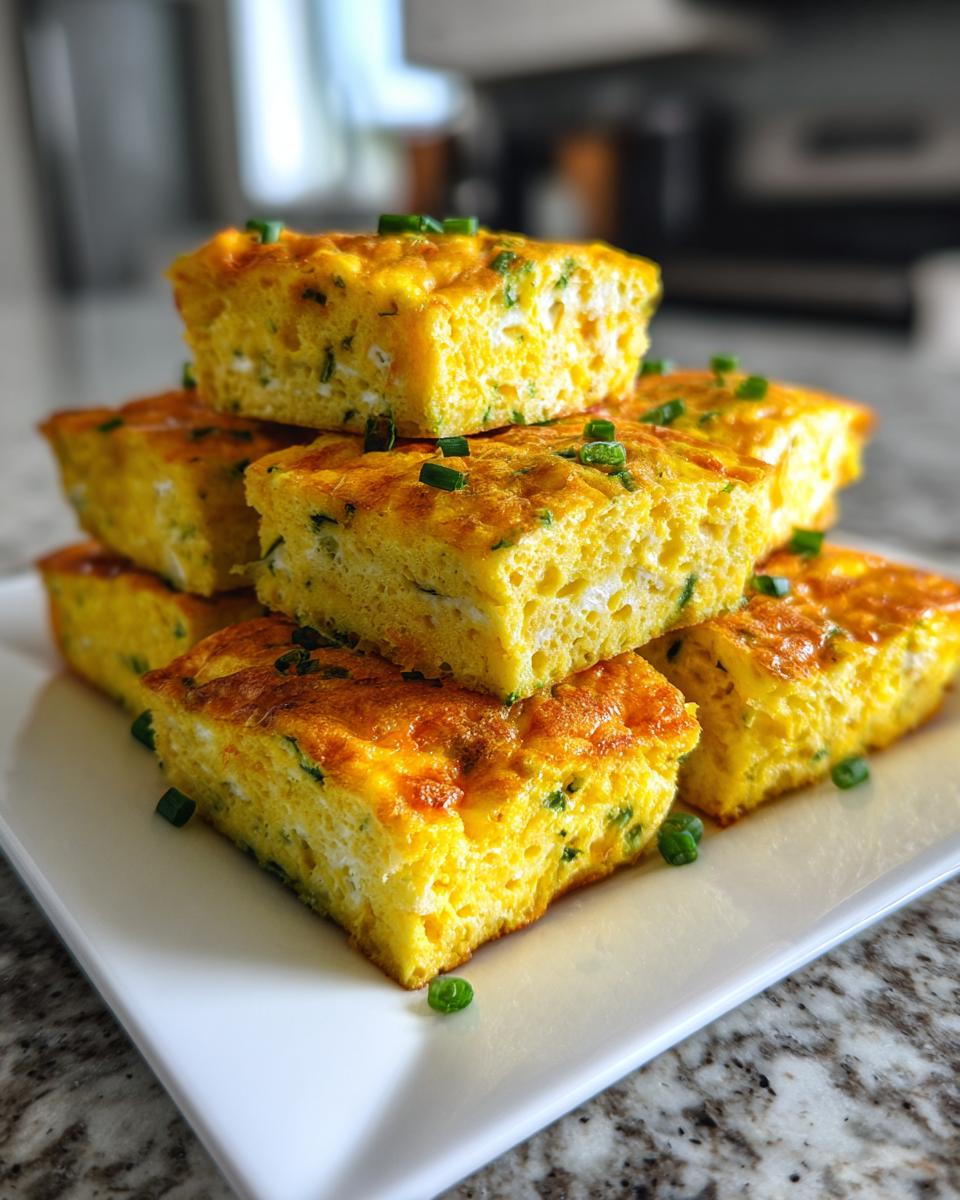
When you realize how easy these sheet pan eggs are, you’ll start planning brunch just to use this method! This is where they truly shine as one of the best breakfast for a crowd recipes out there. When you’re making a massive batch, say two or three pans worth, don’t slice them immediately when they come out. Let them rest in the hot turned-off oven for about five minutes. This keeps them warm without cooking them further.
After slicing, you can arrange them on a large platter lined with foil or keep them covered loosely on the warm pan. If you’re serving them buffet style, put that platter into a very low oven—maybe 170°F—just to keep them nice and hot while everyone loads up their plates. It’s a totally stress-free way to feed hungry people!
Customizable Sheet Pan Eggs: Variations and Flavor Boosts
This is truly my favorite part of the whole process! Since these customizable sheet pan eggs are baked on a big surface, they are begging for you to experiment. You aren’t limited to just the peppers and cheese I listed; think of that base as your blank canvas for breakfast.
If you’re making these for meal prep, try different flavor profiles each time. For example, switch up the cheese from cheddar to Pepper Jack for a little kick, or try crumbled feta if you’re leaning toward a Greek vibe with some oregano sprinkled in. The possibilities for these customizable sheet pan eggs are endless!
Here’s one savory addition I often use when I want something closer to a breakfast burrito filling: add about half a cup of crumbled, pre-cooked sausage or crumbled bacon right on top with the cheese toward the end of baking. Just make sure any meat is fully cooked beforehand, or it won’t be safe to eat!
Storage and Reheating Instructions for Sheet Pan Breakfast Bake
One of the biggest wins with this sheet pan breakfast bake is knowing you have meals ready for busy days! Storing them is super easy because we sliced them up earlier. For the fridge, just stack those squares in an airtight container, remember to separate the layers with parchment paper like I mentioned in the notes; it keeps them from sticking together once they cool down.
If you want to take it to the freezer—go for it! That’s the long-term meal prep dream. When reheating, the microwave is fast, but you lose a little texture. Pop a couple of squares onto a small baking sheet—maybe toss them under the broiler for two minutes after microwaving—to crisp the edges back up a bit. That keeps your sheet pan eggs tasting fresh all week long!
Frequently Asked Questions About Sheet Pan Eggs (Primary Keyword)
I get asked these questions all the time, so let’s just clear them up right now so you have total confidence when you make this next batch of sheet pan eggs. If you’re a seasoned meal prepper or just getting started with sheet pan scrambled eggs recipe, these tips should help!
Can I use different sized pans for this recipe?
Yes, you totally can, but you have to watch your cooking time! The recipe is based on that standard 13×18 inch half sheet pan creating a certain thickness, which takes about 20 minutes. If you use a rimmed baking sheet that is smaller, say a quarter sheet pan (which is half the size), your layer of eggs will be much thicker. That means you need to add maybe 5 to 10 minutes to the baking time. If you go bigger, the eggs spread super thin, and I promise, they’ll cook way too fast and get dry. For an easy sheet pan breakfast bake, stick close to that original size or use two pans!
How do I prevent my eggs from getting rubbery?
This is the number one complaint I hear! Rubbery eggs happen when you bake them too long or at too high a temperature. Remember, even after you take them out of the oven, they keep cooking slightly on that hot pan, which is why we take them out when they are just barely set. Don’t wait until they look completely dry in the center; they should still have a slight, visible sheen. The 375°F temperature we use is pretty gentle for this process, so if yours are staying jiggly past 22 minutes, turn the oven down a touch next time and test again.
Can I add meat to these sheet pan eggs?
Of course, you can! This flexibility is what makes them the best customizable sheet pan eggs. The key rule for any meat, whether it’s bacon, sausage, or ham, is that it must be fully cooked before it hits the egg mixture. Raw meat won’t cook safely in the short time the eggs need. If you’re using sausage, brown it, drain the grease really well, and then crumble it over the top right before baking with your cheese. This keeps the final product deliciously savory and safe for those grab-and-go mornings!
Are these good for making breakfast sandwiches?
They are literally perfect for them! That’s one of the main reasons I developed this recipe. Once the whole sheet has cooled for a few minutes, you can slice it into uniform squares—usually 12 or 15 pieces—that fit beautifully onto standard bagels, English muffins, or sandwich rolls. They hold their shape better than scrambled eggs from a bowl, making them ideal for stacks of sheet pan eggs for sandwiches.
Estimated Nutritional Data for Your Sheet Pan Eggs
I always like to be upfront about what we’re putting into our bodies, so here’s the nutritional breakdown for one serving of these sheet pan eggs. Now, I have to give you the standard disclaimer folks: these numbers are based on the core recipe—so remember, this is without the optional cottage cheese, extra cheese, or any meats we might add in when customizing. Depending on the brand of eggs or milk you use, these numbers will shift a little bit, but it gives you a fantastic baseline for tracking your macros!
For one square slice (about 1/8th of the whole pan), here’s what you can generally expect:
- Calories: Around 110
- Protein: A solid 10 grams! That’s why I love adding that cottage cheese for even more fuel.
- Fat: About 7 grams total.
- Carbohydrates & Sugar: Super low, only about 1 gram each.
- Cholesterol: 180 mg is typical for this amount of egg volume.
See? That’s a truly healthy, healthy oven baked breakfast option to start your day, especially when you slice it up to fit perfectly on a whole-wheat English muffin for one of those perfect grab-and-go sandwiches!
PrintThe Ultimate Customizable Sheet Pan Eggs: Easy Cleanup, Perfect for Meal Prep & Sandwiches

Make a large batch of these easy sheet pan eggs for a simple, high-protein breakfast. Bake them on a single sheet pan for quick cooking and minimal cleanup, perfect for meal prep or feeding a crowd.
- Prep Time: 10 min
- Cook Time: 22 min
- Total Time: 32 min
- Yield: 8 servings 1x
- Category: Breakfast
- Method: Baking
- Cuisine: American
- Diet: Vegetarian
Ingredients
- 12 large eggs
- 1 cup cottage cheese (optional, for high protein)
- 1/4 cup milk or water
- 1/2 teaspoon salt
- 1/4 teaspoon black pepper
- 1 tablespoon butter or cooking spray
- Optional additions: 1/2 cup chopped bell peppers, 1/4 cup shredded cheese, 2 tablespoons chopped chives
Instructions
- Preheat your oven to 375 degrees Fahrenheit. Lightly grease a standard 13×18 inch half sheet pan with butter or cooking spray. For easier cleanup, line the pan with parchment paper, leaving an overhang on the sides.
- In a large bowl, whisk together the eggs, cottage cheese (if using), milk or water, salt, and pepper until the mixture is uniform and slightly frothy. If you are adding cottage cheese, whisk until it is mostly broken up but some small curds remain for texture.
- Pour the egg mixture onto the prepared sheet pan, spreading it evenly.
- If you are adding optional ingredients like vegetables or cheese, sprinkle them evenly over the top of the egg mixture now.
- Bake for 18 to 22 minutes, or until the eggs are set in the center and no longer jiggly. Cooking time depends on your oven and the thickness of the egg layer.
- Remove the pan from the oven. Let the eggs cool on the pan for 5 minutes before slicing.
- Slice the baked eggs into squares or strips suitable for your needs, such as fitting onto sandwich rolls.
Notes
- For the easiest cleanup, always use parchment paper on your sheet pan.
- To make breakfast sandwiches, slice the cooled eggs into portions that fit your bread, English muffins, or rolls.
- You can freeze cooked and sliced sheet pan eggs. Place parchment paper between layers in a freezer-safe container. Reheat in the microwave or oven.
- This recipe is easily scaled up for a crowd by using two sheet pans.
Nutrition
- Serving Size: 1 square (approx. 1/8th of pan)
- Calories: 110
- Sugar: 1
- Sodium: 250
- Fat: 7
- Saturated Fat: 2
- Unsaturated Fat: 5
- Trans Fat: 0
- Carbohydrates: 1
- Fiber: 0
- Protein: 10
- Cholesterol: 180