
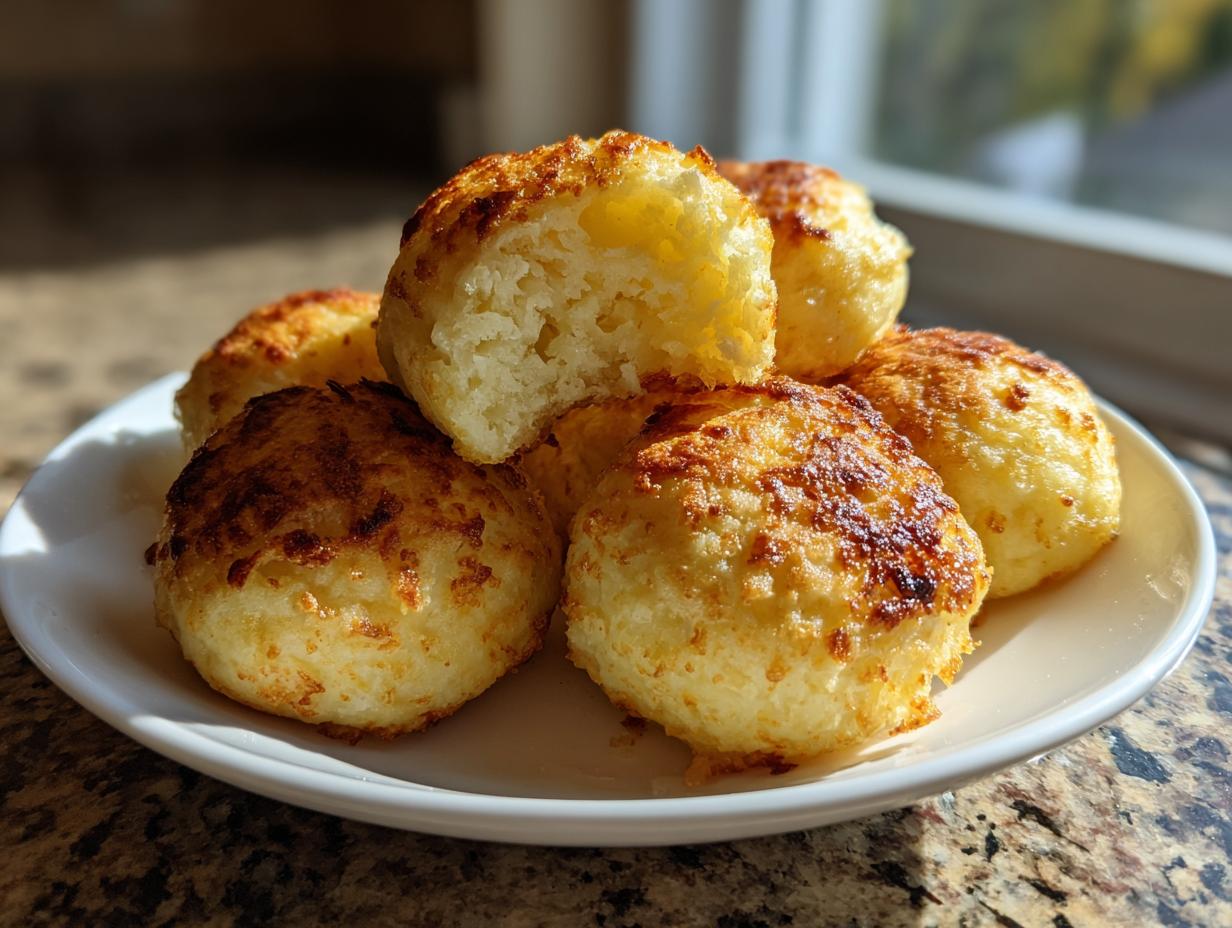
When the weather turns crisp, my soul just craves that deep, old-world comfort that only the right kind of starch can deliver. I’m talking about those hearty, soft-on-the-inside, satisfying **potato dumplings** that remind you of hearth and home. For years, I chased that perfect texture—you know, the one that’s pillowy but still has just the right chew. My background in food science means I test things until they are absolutely flawless, so I’m thrilled to finally share my trusted, authentic recipe for making Kartoffelklöße. Trust me, this is the reliable **potato dumpling recipe** that will become your go-to for any rich gravy or cozy dinner!
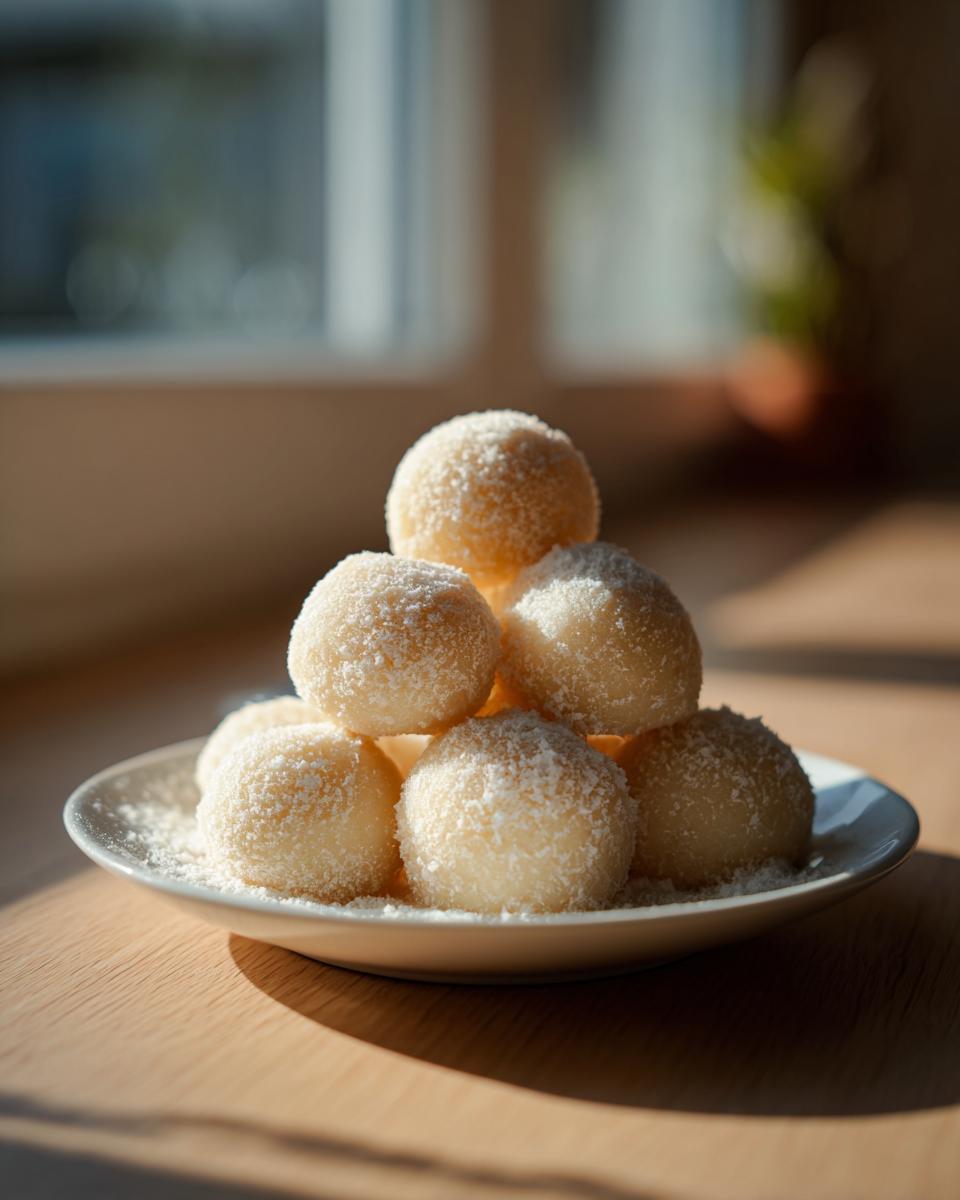
- Why This German potato dumpling recipe Delivers Comfort and Flavor
- Essential Ingredients for Authentic potato dumplings
- Step-by-Step Guide: How to Make potato dumplings (Kartoffelklöße recipe)
- Tips for Success with Traditional potato dumplings
- Serving Suggestions for German potato dumplings
- Storage and Reheating Instructions for potato dumplings
- Exploring Potato Dumplings Variations Beyond Kartoffelklöße
- Frequently Asked Questions About potato dumpling recipe
- Nutritional Estimates for Your potato dumplings
- Share Your Everyday Alchemy
Why This German potato dumpling recipe Delivers Comfort and Flavor
There is a reason this specific German potato dumplings recipe keeps popping up everywhere—it nails the *feeling* of authentic European comfort food dumplings. We aren’t aiming for gooey or gummy here; we want that magic spot between a super soft interior and a pleasantly firm, slightly chewy exterior when you bite in. That contrast is what makes these Kartoffelklöße so irresistible alongside sauerbraten or roast chicken.
- These are deeply satisfying **comfort food dumplings**, perfect for those chilly evenings.
- The method ensures you get truly **fluffy potato dumplings** every single time.
- This combination of cooked and fresh potato elements creates incredible structural integrity.
If you want to master this technique, I have linked to some wonderful visual guides when I first started trying to get this right, like this one detailing the rolling process. You can see detailed steps here.
Achieving the Perfect Texture in Your potato dumplings
It all comes down to the starch! You absolutely need starchy potatoes, like Russets—they break down perfectly when cooked. When you mix in the flour and egg, you have to treat that dough delicately. Think of it like wet sand; too much kneading develops the gluten in the flour, and suddenly, your fluffy potato dumplings turn into hard little rocks!
Essential Ingredients for Authentic potato dumplings
When we talk about authentic potato dumplings, we aren’t messing around with substitutes. Getting the right ingredients is the first critical step towards nailing this potato dumpling recipe. My goal is always to give you the best foundation, and for Kartoffelklöße, the potatoes are everything! You’ll need starchy ones, trust me, because they mash up light and fluffy. I’ve used these exact measurements dozens of times, and they work like a charm.
Here is exactly what you need to have ready before you start boiling:
- 2 lbs starchy potatoes (like Russet), peeled
- 1 cup all-purpose flour
- 1 large egg
- 1 teaspoon salt
- 1/4 teaspoon ground nutmeg
- 2 tablespoons butter, melted (for coating)
If you want to see how others approach ingredient choices for German variations, check out what they are doing over at Masala Herb. Sticking to this list, especially the starchy potato requirement, is key for success!
Step-by-Step Guide: How to Make potato dumplings (Kartoffelklöße recipe)
Okay, let’s get into the actual making! This is where the science meets the kitchen magic. If you follow these steps closely for how to make potato dumplings, you won’t have any failures. Remember, precision matters when we’re dealing with starches. I promise, the payoff of those soft, perfect little spheres is worth the concentration!
Preparing the Potato Base for fluffy potato dumplings
First, boil those peeled potatoes until they are utterly soft—no firmness hiding in the middle! Drain them immediately and let them sit for five minutes to steam dry; this is non-negotiable for fluffiness. Then, you must rice them while they are still warm. Seriously, a ricer is your best friend here; it guarantees those beautiful, lump-free potatoes needed for truly fluffy potato dumplings.
Forming and Boiling the potato dumplings
Quickly mix the riced potatoes with the flour, egg, salt, and nutmeg until they *just* come together into a soft dough. As soon as you see no dry flour streaks, stop mixing! Divide that dough and gently roll uniform balls—don’t compress them too hard. Drop them into salted water that is barely simmering, not raging. They’re done when they float, plus an extra three to five minutes. That’s your cue for perfectly boiled potato dumplings!
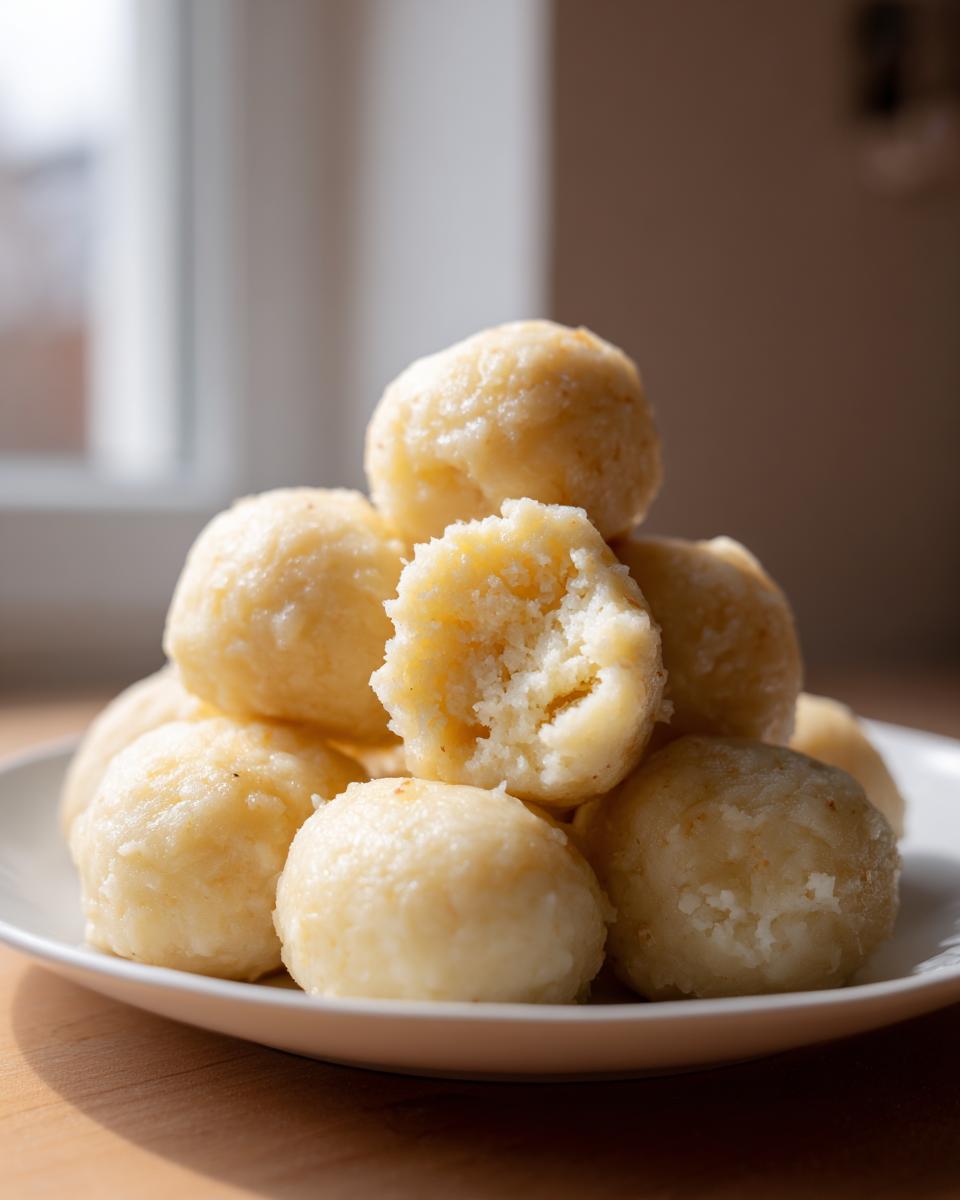
For more visual aid once you have your ingredients mixed, check out this guide to see the dough consistency they recommend—it should look soft but hold its shape. See the recipe guide here. Before cooking, I always check out the images on Quick German Recipes to make sure my pre-boiled texture matches theirs!
Tips for Success with Traditional potato dumplings
Now that you know the basic steps for making potato dumplings, I want to share a few secrets that make them truly traditional and guarantee they don’t turn into sticky messes. The moment after you mix the dough is critical. If the dough feels too sticky to handle, resist the urge to dump in a ton of extra flour! That just makes them dense. Instead, dust your hands lightly and work quickly.
You can certainly use any fantastic leftover mashed potato recipes you might have tucked away, but here’s the catch: they must be cold and very dry. If those leftovers are too wet from milk or cream, your dumpling dough will fall apart in the boiling water. You want that warm potato magic for the best results, but if you’re relying on leftovers, make sure a little extra water evaporates first.
Also, don’t forget that final step! Tossing your finished dumplings with just a touch of melted butter stops them from clinging together once they cool down. For extra guidance on managing that dough and avoiding pitfalls, I found this resource very helpful when I was learning: check out the tips they offer on using up extra mash!
Serving Suggestions for German potato dumplings
These perfect, soft potato dumplings aren’t just sides; they are the star of any serious meal, especially when the mercury drops! They are the ultimate foundation for any of your favorite hearty winter recipes. You absolutely need a good, rich gravy—think mushroom or a creamy onion sauce—to coat those little tender spheres. Forget plain potato side dishes; these demand attention!
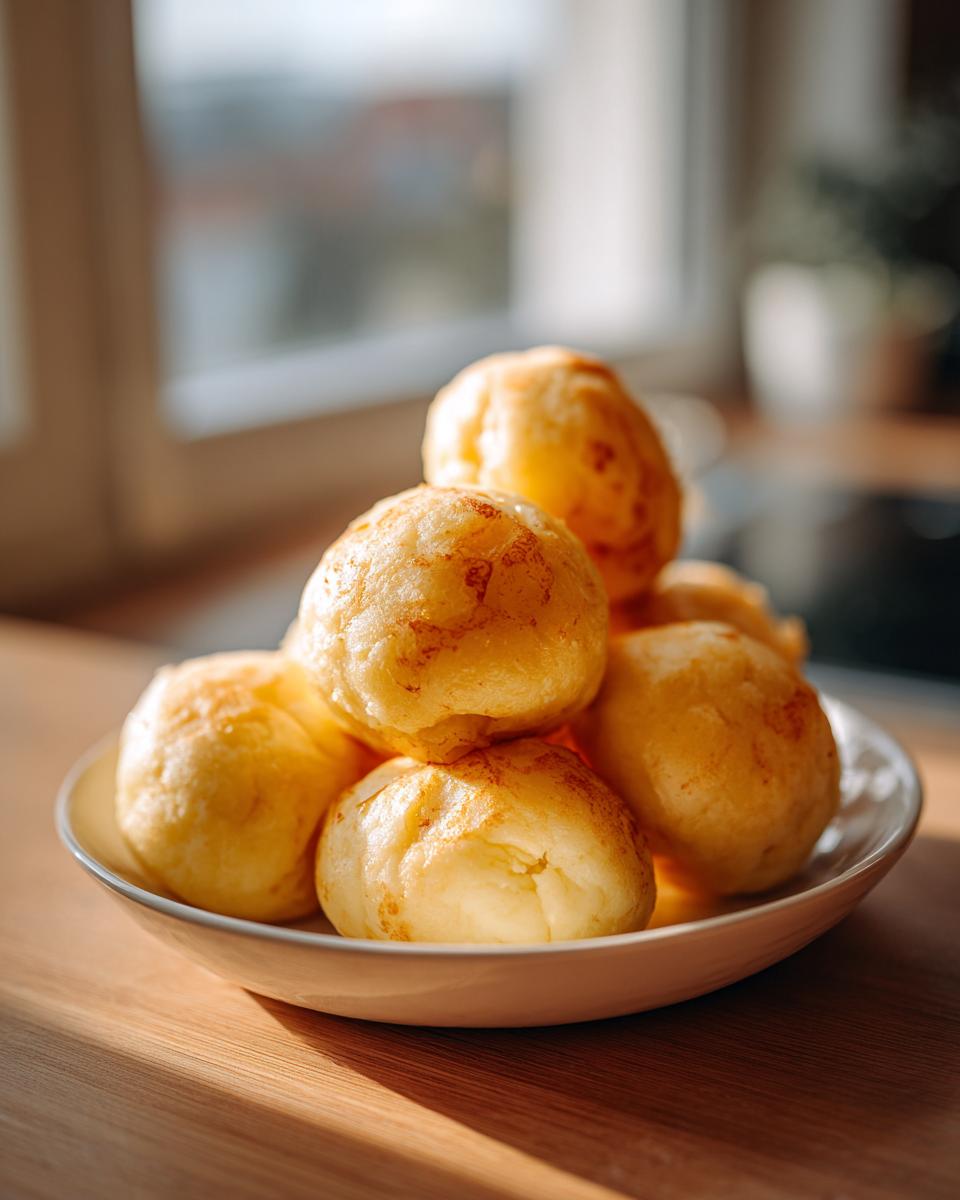
When I serve them, I often go full German and pair them with slow-roasted pork shoulder or maybe some nice, herby sausage. The dumplings soak up all the juices beautifully. If you’re looking for inspiration on what sauces sing the loudest with Kartoffelklöße, take a peek at what the folks over at Cooking Heavenly have put together. They always have great ideas for pairing!
Storage and Reheating Instructions for potato dumplings
Don’t you hate wasting these little treasures? Luckily, these potato dumplings reheat like a dream! If you have leftovers, you can store them in an airtight container in the fridge for up to three days. They reheat perfectly by dropping them back into simmering water for just a minute or two until they plump up again.
But listen, my favorite way, which is hinted at in the notes, is pan-frying them the next day! Cut any larger ones in half and fry them in a generous amount of butter until they get beautifully golden and slightly crispy on the outside. It turns them into a totally new, addictive side dish.
Exploring Potato Dumplings Variations Beyond Kartoffelklöße
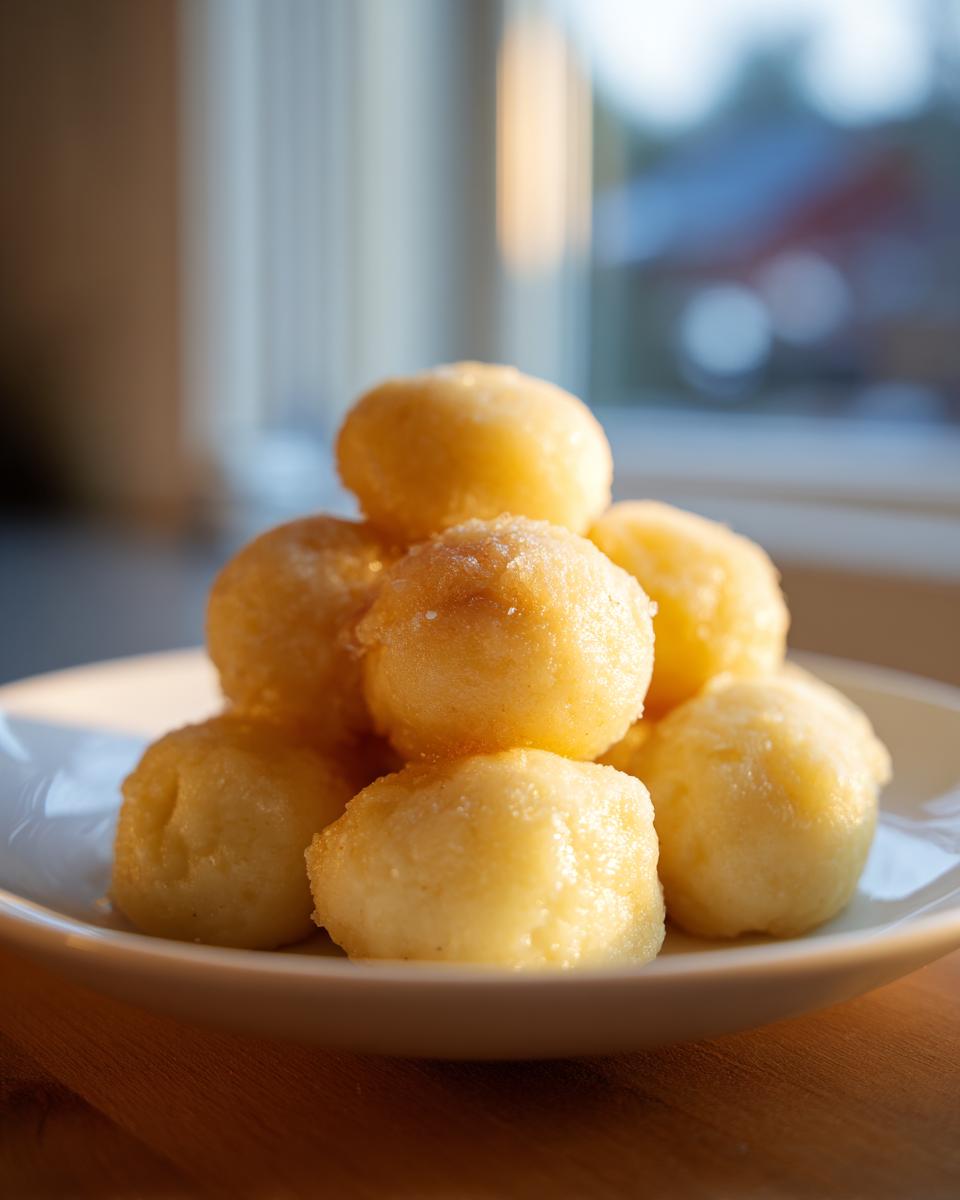
It’s so fun finding out how different cultures take the same basic idea—potatoes and flour—and turn out something completely unique! While our Kartoffelklöße are rich and dense, you definitely need to know about the cousins out there. Take Polish potato dumplings, for instance; the *Kopytka recipe* usually calls for a simpler dough, often yielding a slightly lighter, chewier texture that just begs for butter and cheese.
Then you have Scandinavian versions like the Norwegian potato klub, which tend to incorporate a little more bread or fat upfront, giving them a much heavier feel—great for a cold Norwegian winter! If you’re curious about the specific technique behind the Norwegian version, you should check out the recipe on Hill River Homestead. For the Polish style, I’ve seen amazing results using the simple flour-to-potato ratio described in this approach to the Kopytka recipe, and this one shows them paired beautifully with mushroom sauce. It’s fascinating how subtle shifts in technique completely change the final, comforting bite!
Frequently Asked Questions About potato dumpling recipe
I get so many questions when people try making these for the first time, which is wonderful! It means you care about getting that perfect, soft result. Since I know clarity is everything when you’re trying new **easy dumpling recipes**, I gathered the most common things I hear about achieving those ideal **potato dumplings** so you can troubleshoot before you even start.
Can I use leftover mashed potatoes for these potato dumplings?
Yes, you absolutely can, which makes this a fantastic **leftover mashed potato recipe** hack! But here’s the crucial part my notes mentioned: your leftover mash *must* be very dry. If you used a lot of butter or milk when you made them the first time, they might be too wet, and your dumplings will likely fall apart when boiling. If they seem a bit loose, try mixing in just a tablespoon or two more of flour until they feel manageable.
What is the best potato type for Kartoffelklöße?
For truly authentic, fluffy texture, you need a high-starch potato—I’m talking Russets or any similar baking potato. These break down beautifully when boiled and riced, leaving behind that fluffy core. If you use a waxy potato, it holds too much moisture and doesn’t fluff up nearly enough, resulting in dense, gluey little balls, and we definitely don’t want that for a centerpiece **dinner idea with dumplings**!
If you’re interested in seeing how Czech variations handle their spuds, take a look at how they manage things over at Cook Like Czechs. It’s fascinating how the potato choice shifts based on the desired final texture across Europe!
Nutritional Estimates for Your potato dumplings
Now, I always tell folks that enjoying these rich, homemade **potato dumplings** is about pleasure first, but it’s fun to know what you’re digging into! Think of these numbers as a general guide based on the standard ingredients list. Since we are using simple ingredients like potatoes and flour, the numbers stay quite sensible for a hearty side dish.
Keep in mind these are just estimates for a standard serving size of about three dumplings:
- Serving Size: 3 dumplings
- Calories: 210
- Fat: 4g
- Carbohydrates: 42g
- Protein: 5g
This nutritional breakdown is based on the standard recipe measurements provided, so if you get really generous with the butter when you toss them later, you might see those fat numbers creep up just a little bit!
Share Your Everyday Alchemy
Honestly, this whole process—turning something humble like a potato into these glorious, soft Kartoffelklöße—feels like real magic to me, and that’s the everyday alchemy I want *you* to experience! I pour all my testing and development into these instructions so you don’t have to guess, but the final dish always tastes best when it carries your own touch of love.
I genuinely can’t wait to hear how these came out for you! Did you stick to tradition, or did you swirl in some brown butter and sage? Did you pair them with a classic roast, or maybe try them stuffed with cheese? Don’t be shy!
Please, make these tonight, leave a star rating right below, and tell me all about your **potato dumplings** experience in the comments. If you found a great way to reheat them or pair them with a favorite sauce, share that secret with the community below, too! Maybe you even tested out one of the Polish variations like the ones found here—let us know the differences!
PrintAuthentic German Potato Dumplings (Kartoffelklöße)
Make classic German potato dumplings, Kartoffelklöße, using this reliable recipe. These boiled potato dumplings result in a soft interior and slightly chewy exterior, perfect as a hearty side dish.
- Prep Time: 25 min
- Cook Time: 30 min
- Total Time: 55 min
- Yield: 4 servings 1x
- Category: Side Dish
- Method: Boiling
- Cuisine: German
- Diet: Vegetarian
Ingredients
- 2 lbs starchy potatoes (like Russet), peeled
- 1 cup all-purpose flour
- 1 large egg
- 1 teaspoon salt
- 1/4 teaspoon ground nutmeg
- 2 tablespoons butter, melted (for coating)
Instructions
- Boil the peeled potatoes in salted water until very tender. Drain them well and let them steam dry for a few minutes.
- While the potatoes are still warm, press them through a potato ricer or mash them until completely smooth. You must avoid lumps for fluffy potato dumplings.
- In a large bowl, combine the warm mashed potatoes, flour, egg, salt, and nutmeg. Mix gently until just combined into a soft dough. Do not overmix.
- Lightly flour your hands. Divide the dough and roll it into small, uniform balls, about 1.5 inches in diameter.
- Bring a large pot of salted water to a gentle simmer (do not boil rapidly). Carefully drop the dumplings into the water.
- Cook the dumplings until they float to the surface, then allow them to cook for an additional 3 to 5 minutes.
- Remove the dumplings with a slotted spoon and place them in a bowl. Toss gently with melted butter to prevent sticking.
- Serve immediately with gravy or your preferred sauce.
Notes
- For the best texture, use potatoes that have been cooked and riced while still warm.
- If you have leftover mashed potato recipes, you can use them, but ensure they are not too wet.
- These dumplings are excellent served with rich gravy or pan-fried in butter the next day.
Nutrition
- Serving Size: 3 dumplings
- Calories: 210
- Sugar: 1
- Sodium: 250
- Fat: 4
- Saturated Fat: 2
- Unsaturated Fat: 2
- Trans Fat: 0
- Carbohydrates: 42
- Fiber: 3
- Protein: 5
- Cholesterol: 40