
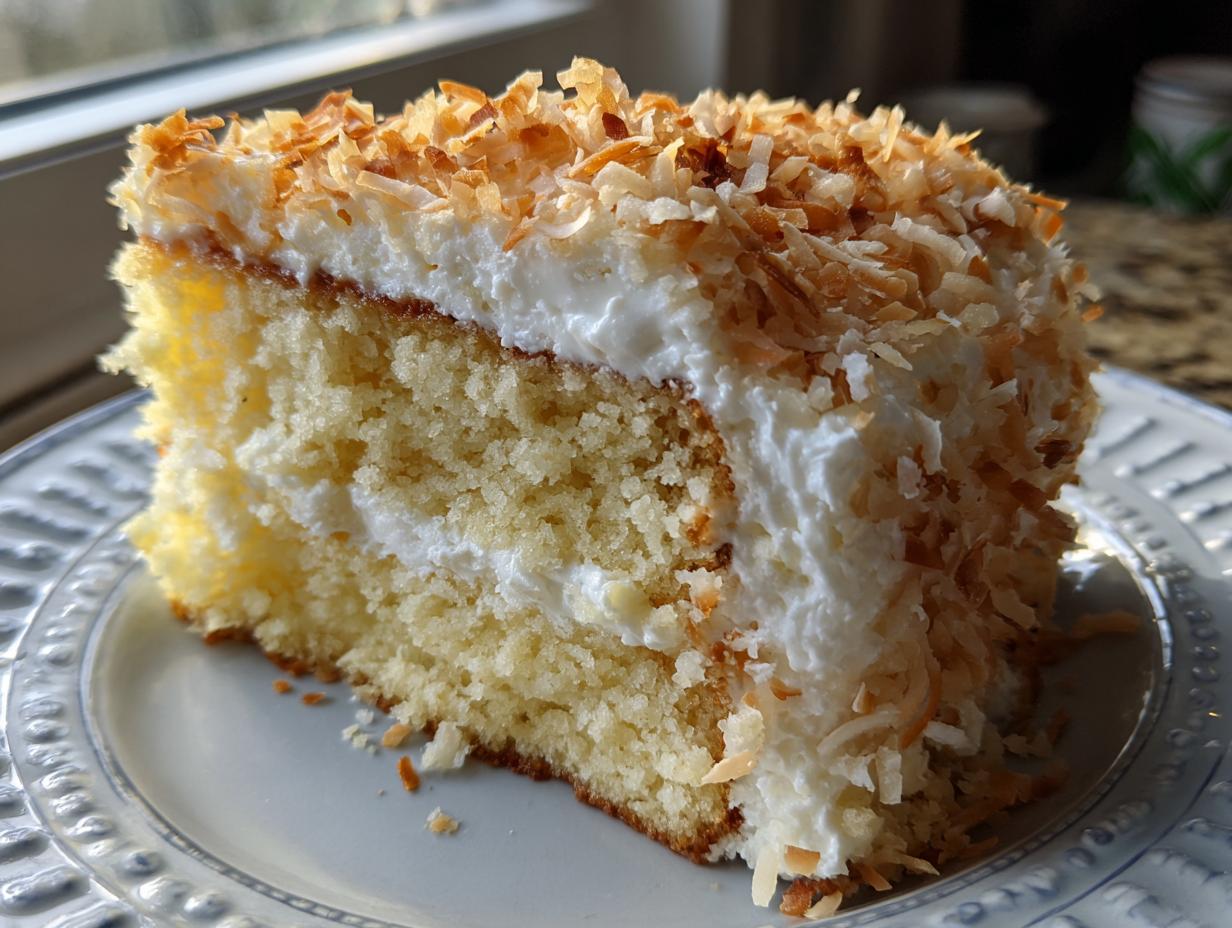
I’m so excited you’re here! If you’ve ever dreamt of whisking up a show-stopping, bakery-style coconut cake right in your own kitchen—one that actually tastes better than anything you can buy—then you’ve found your forever recipe. This is The Best Moist & Fluffy Southern Coconut Cream Cake Recipe, and it is pure magic. As a recipe developer, I bring the precision of food science to every test batch, ensuring this classic American dessert is reliable every single time you bake it. Forget dry layers; this is the moist coconut cake recipe you’ve been searching for.
- Why This Southern Coconut Cake Recipe Delivers Bakery Style Perfection
- Ingredients for Your Moist Coconut Cake Recipe
- Step-by-Step Instructions for the Perfect Coconut Cake
- Tips for Success with Your Southern Coconut Cake
- Ingredient Notes and Substitutions for Coconut Cake
- Storage and Reheating Instructions for Layer Cake
- Frequently Asked Questions About This Coconut Cake Recipe
- Nutritional Estimates for This Coconut Cake
- Share Your Coconut Cake Creations
Why This Southern Coconut Cake Recipe Delivers Bakery Style Perfection
Honestly, achieving that perfect Southern coconut cake texture at home used to feel like a mystery, right? That’s why I spent so much time perfecting this batch. We aren’t just throwing ingredients together; we’re building structure. This moist coconut cake recipe is designed to beat every boxed mix you’ve ever tried. It’s the professional testing that makes the difference!
- Serious Moisture: The combination of whole milk and specific coconut milk guarantees we hit that high moisture mark you look for in a bakery style coconut cake.
- Creamy Dream: The frosting isn’t just buttercream; it’s balanced with just the right amount of cream cheese to give it that essential Southern tang that cuts through the sweetness.
- Tropical Flavor Infusion: We use both shredded coconut *and* coconut extract to layer the flavor profile so it tastes authentically tropical.
Achieving Light Fluffy Cake Layers
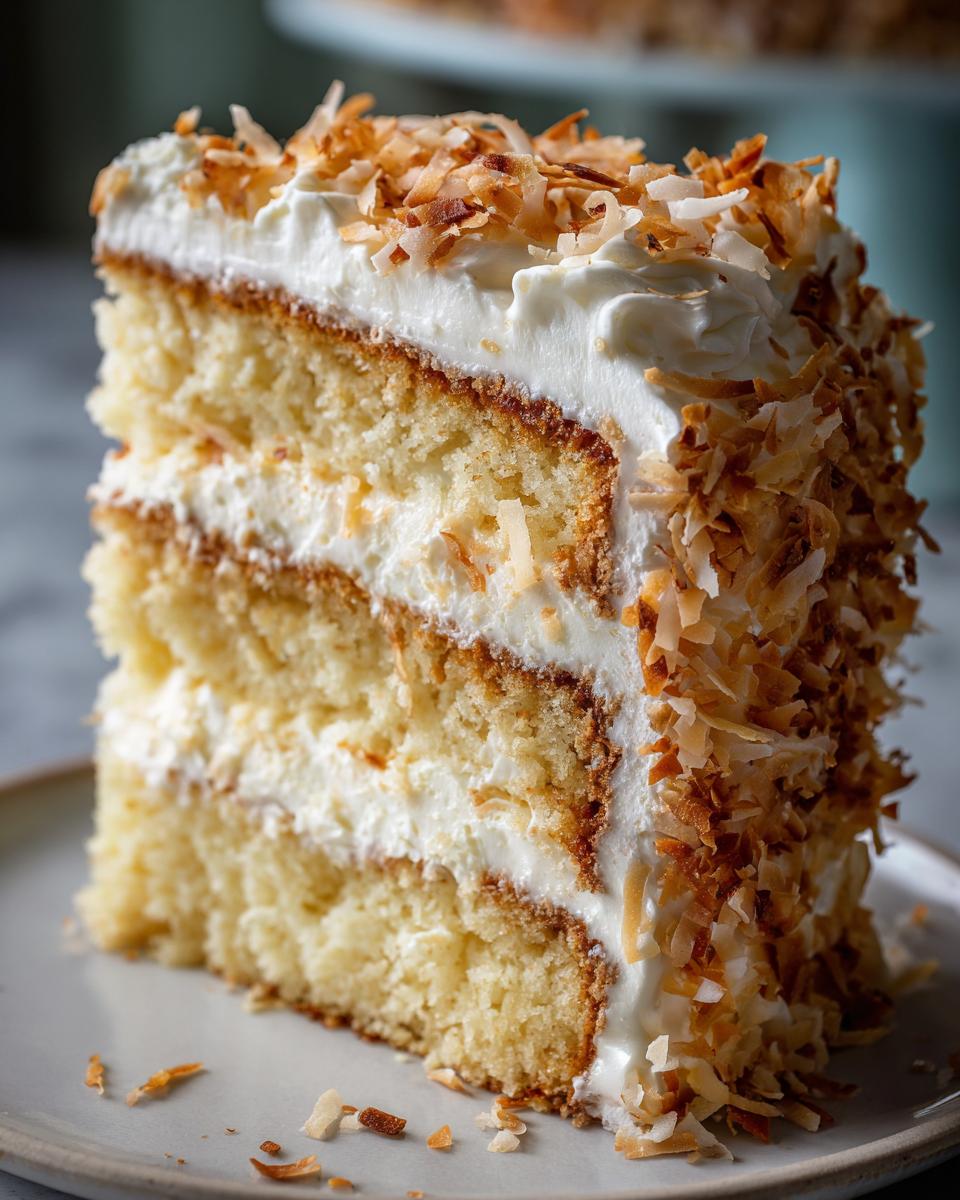
The fluffiness? That comes down to careful temperature control. When your butter, eggs, and milk are at true room temperature, they emulsify much better when mixed. This process traps microscopic air bubbles in the batter! Those little air pockets expand in the oven, pulling the crumb open just enough to make this a truly fluffy coconut cake instead of dense. It’s simple science, really!
Ingredients for Your Moist Coconut Cake Recipe
Okay, let’s talk fuel! This is where we gather our building blocks for that incredible texture and tropical punch. Get everything set out before you start mixing. Seriously, chilling your ingredients is the enemy of the perfect moist coconut cake recipe. I learned that the hard way early on!
You’ll notice we need coconut in two different phases: one cup packed into the batter for moisture inside the layers, and then the toasted flakes reserved for the outside decoration. Pay attention to that distinction—it matters a lot for the final look!
For the Light Fluffy Coconut Cake Layers
To hit that ideal soft and fluffy benchmark, make sure your dairy and eggs are at true room temperature. This helps everything combine beautifully for your moist coconut cake recipe.
- 1 3/4 cups all-purpose flour
- 1 3/4 cups granulated sugar
- 1 tablespoon baking powder
- 1/2 teaspoon salt
- 1 cup unsalted butter, softened
- 4 large eggs, room temperature
- 1 cup whole milk, room temperature
- 1 teaspoon vanilla extract
- 1/2 cup unsweetened coconut milk
- 1 cup sweetened shredded coconut, packed (this goes right INTO the batter!)
For the Dreamy Coconut Cream Frosting
This frosting is what truly screams Southern coconut cream cake. The cream cheese gives it stability and just a faint, lovely tang next to all that creamy coconut goodness. Don’t skip the softening step here, or you’ll end up with lumps!
- 1 1/2 cups unsalted butter, softened (for frosting, yes, that much butter!)
- 4 cups powdered sugar, sifted (sifting is non-negotiable here for the smoothest finish)
- 1/2 cup cream cheese, softened
- 1 teaspoon coconut extract
- 1/4 cup heavy cream
- 1 cup sweetened shredded coconut, toasted (save this for sprinkling on top later!)
Step-by-Step Instructions for the Perfect Coconut Cake
Alright, let’s get baking! Turning these beautiful ingredients into a stunning homemade coconut cake is easier than you think, but precision is key here. Remember, we want that light, airy crumb, so keep your hand gentle when mixing the final stages. Follow these steps exactly, and I promise your final cake will look like it came straight from a high-end Southern bakery!
Preparing the Cake Layers
First things first: get that oven heated up to 350°F (175°C) and get your two 9-inch pans greased, floured, and lined with parchment. That parchment paper is your insurance policy! Start by dry-mixing the flour, sugar, baking powder, and salt. Then, beat in the softened butter until it looks like coarse sand—this is a vital aeration step for a fluffy coconut cake. Now, slowly stream in your liquids—the milk mixture—in three parts, mixing just until combined. Stop mixing when you still see a couple of flour streaks! Finally, fold in that 1 cup of shredded coconut by hand. Divide that batter and bake for about 30 to 35 minutes, testing with a toothpick. Let them cool in the pans for only 10 minutes before turning them onto a rack to cool completely—they must be totally cool before frosting!
Making the Coconut Frosting Homemade
While those layers are cooling down, you can whip up the dreamy frosting. In a clean bowl, get that 1 1/2 cups of soft butter and the cream cheese whipped until they are pure silk—no lumps allowed! Now, slowly, slowly add the sifted powdered sugar; start slow so you don’t create a snowstorm in your kitchen. Once it’s mostly incorporated, crank up the speed, beat in the heavy cream and coconut extract until it’s light, fluffy, and perfect for spreading. It should be easily spreadable but hold its shape well.
Assembling and Finishing Your Coconut Cake
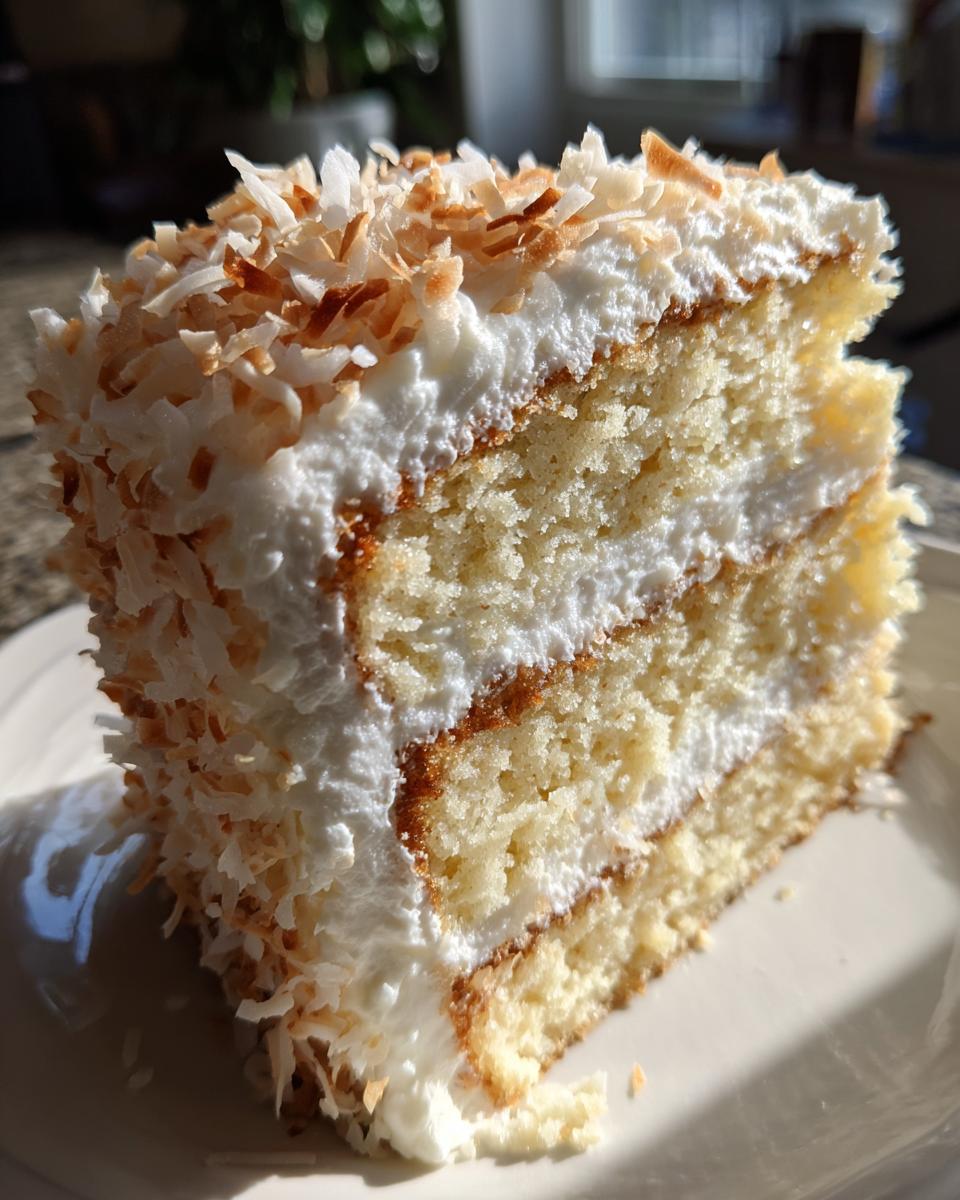
Once your layers are completely cooled—and I mean *completely* cool, or you’ll just slide right into melted frosting disaster—it’s time for the fun part! Place your first layer down, spread a generous helping of that coconut cream frosting, stack the second layer, and then cover the entire thing, top and sides. For the professional finish, take your toasted coconut and gently press it all over the sides and top. A great trick for even coverage? Use a bench scraper held gently against the sides while applying the frosting, then press the coconut on with clean, slightly damp hands!
Tips for Success with Your Southern Coconut Cake
Baking a magnificent classic coconut dessert like this isn’t about luck; it’s about listening to the small details that push a good cake into unforgettable territory. My background helps me spot the traps that trip up home bakers, and I want to make sure this stunning creation turns out perfect for you!
- Room Temperature Rule is Law: Check the notes—I’m serious about this! If your butter, eggs, and milk aren’t at room temperature, your batter won’t emulsify correctly. You’ll end up fighting density, and we want fluff!
- Do Not Skip the Toasting: Toasting the shredded coconut for garnish is non-negotiable. Raw coconut doesn’t have the same depth of flavor. It only takes a few minutes, but that nutty flavor elevates the entire cake when sprinkled on top of that creamy frosting.
- Preventing Sticking: Use parchment paper on the bottom of those cake pans. I know sometimes people skip it, but for a high-moisture cake like this, parchment is the best defense against a cake sticking and breaking when you invert it.
- My Personal Quality Tip: When you pick out your coconut milk for the batter, try to find unsweetened canned coconut milk rather than carton coconut beverage. The richness of the canned version really boosts the tropical depth without adding unnecessary extra sugar into the cake structure. I noticed a huge difference when I switched!
If you want a gorgeous inspiration for what a truly show-stopping cake looks like, you might want to check out how even someone like Ina Garten handles her incredible citrus pairing with coconut cakes—it’s always smart to see how the masters approach flavor balance, even when they aren’t using my exact recipe!
Ingredient Notes and Substitutions for Coconut Cake
When you’re dealing with a highly flavored cake like this, the specific ingredients really do shout the loudest. A couple of things pop up all the time when people try to tweak this recipe, so let’s get those questions out of the way now. It’s all about making sure your results match the dream you have in your head!
The main confusion seems to be around the different coconut components we use. We have the shredded coconut for texture, the coconut milk for liquid moisture, and the coconut extract for that intense flavor pop. They all serve very different masters!
Coconut Milk Versus Coconut Extract
Don’t try to swap the coconut milk in the cake batter for the extract, please! The extract is super concentrated, so we only need a teaspoon of it to perfume the frosting. If you try to add, say, half a cup of extract to the batter, your cake will taste overwhelmingly chemical. The coconut milk, especially the canned, unsweetened kind, is necessary for that rich, tropical fat content in the batter that keeps everything so wonderfully moist.
If you happen to be out of coconut milk but have plenty of regular whole milk, you can substitute it 1:1, but I highly recommend adding an extra half teaspoon of coconut extract to the batter *if* you do that. It won’t be quite the same rich flavor, but it keeps the moisture level managed.
A Quick Note on Butter Swaps
I know sometimes we have shortages, or maybe you are trying to cut back a little. For the absolute best texture and flavor in this tropical coconut dessert, you really need the full amount of butter in both the cake and the frosting—it provides the structure and the rich mouthfeel. However, if you absolutely must substitute, and only for the *cake layers* (never the frosting!), you could technically swap up to half of the butter with a high-quality, neutral-flavored coconut oil.
Be warned, though: coconut oil is liquid when warm, so you have to chill your batter slightly before baking, or the layers might sink mid-bake. It just adds a headache, honestly! Stick to the butter if you can; it aligns perfectly with the reliable, bakery-style results we are aiming for here.
Storage and Reheating Instructions for Layer Cake
You’ve made this gorgeous, fluffy, multi-layered masterpiece, and now you have leftovers! First off, congratulations—but don’t panic about keeping it fresh. Because we have that wonderful, luscious homemade coconut frosting with cream cheese in it, storage is slightly different than if we were dealing with a simple glaze.
This coconut layer cake absolutely shines when it’s kept cool, but you don’t want it fridge-cold when it’s time to eat. The butter in the frosting will seize up.
How to Store Your Coconut Cake Properly
For the best eating experience, I always advise against leaving this cake out on the counter for more than maybe four hours, especially if your kitchen is warm. Because of the dairy components in the frosting, refrigeration is your safest bet for longevity.
- In the Fridge: Store the whole cake, or any cut slices, in an airtight container. You may need to put a few toothpicks around the top edge before covering so the plastic wrap doesn’t smash down your beautiful toasted coconut topping. It should stay perfectly moist and delicious in an airtight container in the refrigerator for up to four days.
- Freezing for Later: If you need to keep it longer, this cake freezes beautifully! Wrap the cooled, unfrosted layers tightly in plastic wrap, then foil. Once frosted, wrap the entire cake tightly in a double layer of plastic wrap. It lasts great for about one month. Thaw overnight in the fridge before serving.
Bringing Your Coconut Cake to Perfect Serving Temperature
This is the most important tip for enjoying any butter- or cream cheese-based cake: temperature matters! If you eat this straight from the fridge, the cake layers will taste drier and the frosting will be stiff. It interrupts that melt-in-your-mouth experience we worked so hard for!
About an hour before you plan to serve the coconut layer cake, take it out of the refrigerator and let it sit on the counter, still covered loosely with a cake dome or foil. This gentle rewarming is all it needs to soften the frosting back to that dreamy, spreadable consistency. Trust me, this little wait makes an enormous difference!
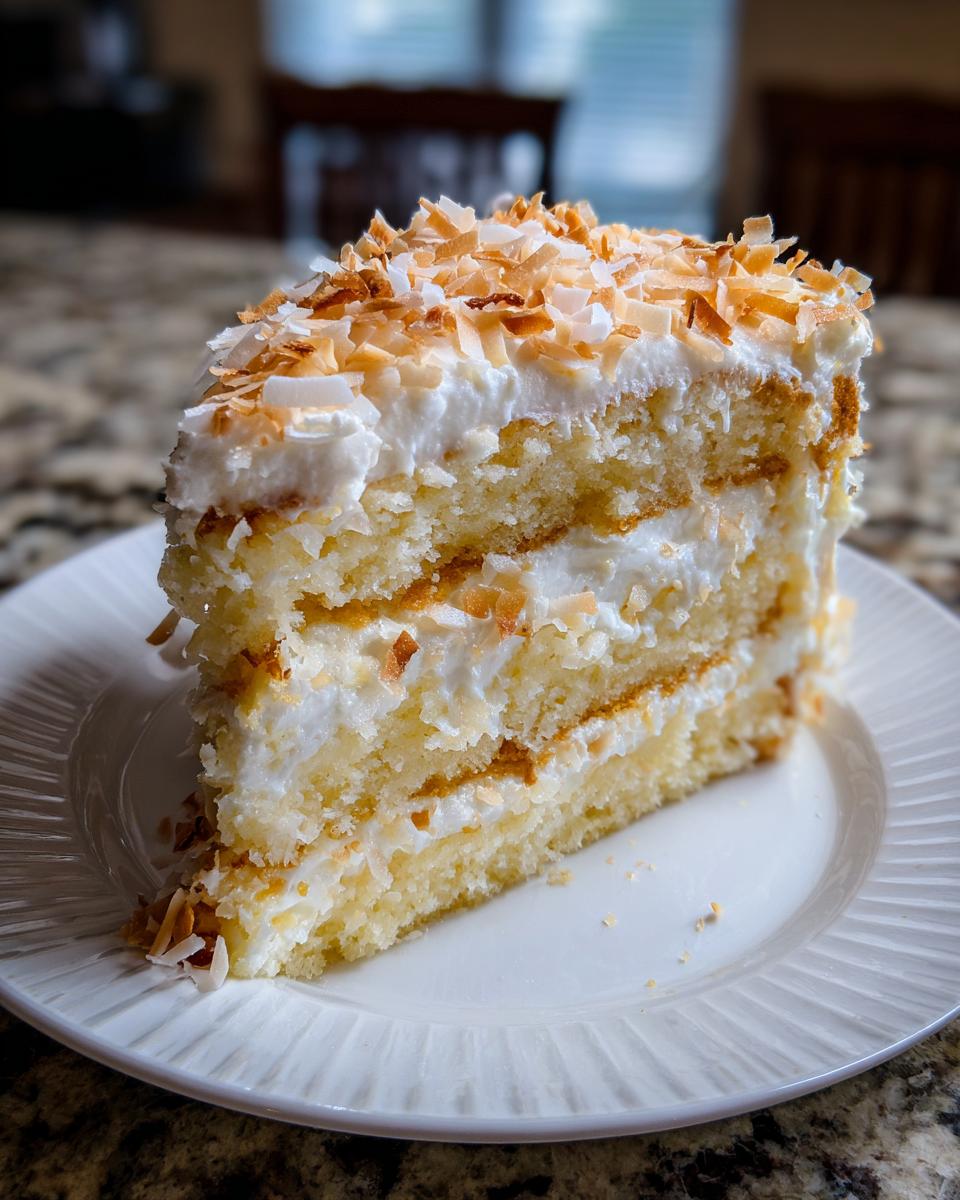
Can I Reheat Slices of This Coconut Cake?
Honestly? I generally advise against reheating individual slices of frosted cake, especially since the frosting tends to melt right off the sides. However, if you have only a plain, unfrosted layer you want to sample for quality control (I won’t tell!), you can warm it very gently for just 10 seconds in the microwave. If you are warming up a slice that has frosting, I would just let it come to room temperature naturally instead. We want flakey, fluffy coconut, not melted coconut goo!
Frequently Asked Questions About This Coconut Cake Recipe
It’s funny how often I get asked the same few questions about this recipe—which just tells me you all are dreaming about making this spectacular coconut cake! I love adapting things, but sometimes you need to know where the line is. My years in the test kitchen have taught me that a few small tweaks can lead to wildly different results, so let’s make sure your results are superb and match that perfect Southern coconut cake vibe.
Can I use this recipe for a Coconut Cream Poke Cake?
Oh, that’s a great idea for taking this to a picnic or event where you need an extra layer of moisture! Yes, you absolutely can adapt this for a Coconut Cream Poke Cake. After the cake layers come out of the oven and cool for about 15 minutes, use the handle of a wooden spoon or a thick skewer to poke holes all over the top of each layer—just don’t poke all the way to the bottom yet. I recommend warming up about half a cup of sweetened condensed milk or extra coconut milk and drizzling it slowly over the holes so it soaks in while the cake is still slightly warm. Then, let it cool completely before frosting normally!
What is the best way to get that ‘bakery style’ finish on my coconut cake?
Achieving that clean, professional look is all about temperature management, especially with this homemade coconut cake! You want maximum stability. Once you have the cake fully frosted with the coconut cream frosting, pop the whole thing into the refrigerator for about 20 to 30 minutes. This allows the butter and cream cheese in the frosting to firm up—we call this a ‘crumb coat chill.’ Once it’s chilled and firm, the toasted coconut flakes will stick right to it without sliding off or melting the frosting underneath. If you want to try a different but equally impressive presentation, you could always check out the popular Tom Cruise Cake Recipe for a bundt variation!
Can I skip the cream cheese in the frosting?
You can, but I wouldn’t recommend it if you want that signature tang that balances all that sweetness! The cream cheese really helps bring structure to the frosting, keeping it stiff enough to hold those high sides on your coconut layer cake, plus it provides that slight acidic bite that elevates the coconut flavor. If you absolutely have to skip it, replace the cream cheese with an equal amount of softened butter, but also add about a teaspoon of lemon juice to simulate that necessary brightness. Otherwise, the frosting might taste overwhelmingly sweet.
Is this recipe easily adapted for a Coconut Bundt Cake?
It adapts wonderfully! Bundt pans just look so elegant, don’t they? You’ll want to use the same greasing and flouring technique, maybe even adding a little bit of my homemade cake goop if you have it! Since the batter will be thicker in that central tube, you might need to add 10 to 15 minutes to the bake time. Watch the cake; if the edges start looking very dark but the center still seems jiggly, bake it slightly lower—maybe drop to 325°F—to finish cooking evenly without burning. A simple dusting of powdered sugar often looks best on a beautifully sculpted fluffy coconut cake in a Bundt pan!
Why do I need both whole milk and coconut milk in the layers?
This is one of those little secrets that separates an okay cake from a great one! The whole milk provides the necessary protein and fat content for the classic cake structure, right? But the canned coconut milk? That brings in dense, tropical fat that doesn’t bake off like water would. It’s that extra richness from the coconut milk that ensures your layers stay profoundly moist and fluffy for days!
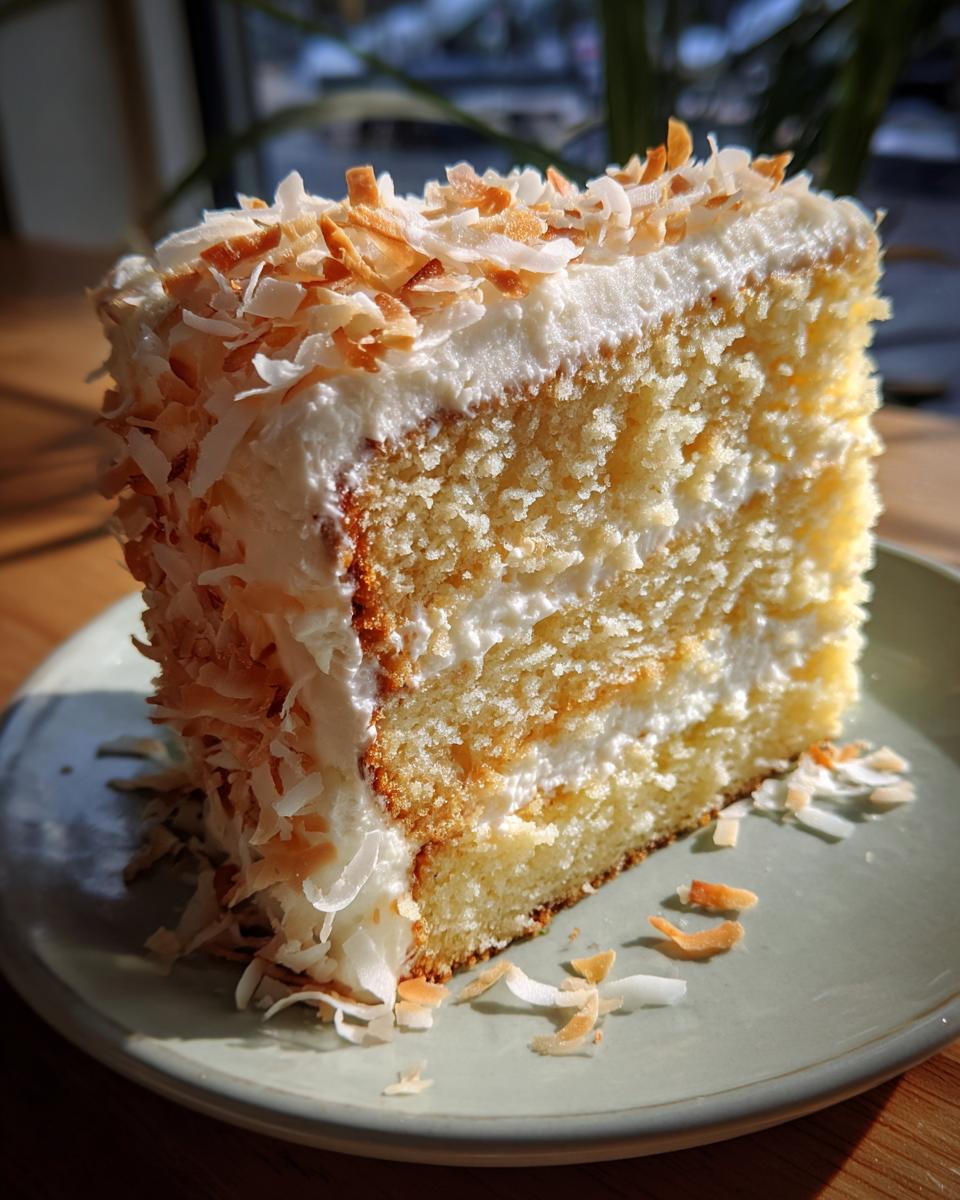
Nutritional Estimates for This Coconut Cake
I always believe in transparency in the kitchen, and that includes sharing the general nutritional breakdown for this indulgent treat. Think of these figures as a helpful guideline, not a strict assessment! Remember, baking in my kitchen (and yours!) is about the joy and the alchemy of turning simple ingredients into something unforgettable.
These estimates are based on using the full recipe yield (10 servings) and standard ingredient brands. Since every sprinkle of coconut and dollop of frosting varies slightly, they serve as a helpful reference for what we’re enjoying!
- Serving Size: 1 slice (which is a generous slice, let’s be honest!)
- Calories: Approximately 480
- Fat: About 28g (That buttery rich flavor doesn’t come for free!)
- Carbohydrates: Roughly 58g
- Protein: Around 5g
- Sugar: A notable 55g (It’s a celebration cake, after all!)
We used plenty of butter for that legendary texture, so the saturated fat content is present, but the moisture it locks in makes every bite worth it. Enjoy this delicious, reliable coconut cake knowing you baked it perfectly from scratch!
Share Your Coconut Cake Creations
Wow, we made it! You have everything you need to whip up a dessert that will truly wow everyone at your next gathering. Honestly, seeing your results is the best part of sharing these recipes. That feeling when you pull a perfectly baked, tall, and moist coconut cake out of the oven—I want to see it!
Now that you’ve conquered this creation, I really want to hear how it went for you. Did the frosting stay perfectly creamy? Did the toasted coconut make everyone swoon? Don’t be shy! Drop a rating below the comments section—let us know how many stars you give this recipe for reliability and flavor. We developed this to serve about 10 people, so let us know if you stretched it for a bigger birthday crowd!
If you post a photo of your finished masterpiece on social media, please tag me! I absolutely love seeing how this classic coconut dessert comes to life in different kitchens around the country. Sharing our successes is how we all get better at our kitchen alchemy. Happy baking, and I can’t wait to see your stunning, fluffy layers!
PrintThe Best Moist & Fluffy Southern Coconut Cream Cake Recipe
Bake a show-stopping Southern Coconut Cream Cake. This recipe yields incredibly moist cake layers and a dreamy coconut cream frosting, perfect for any celebration.
- Prep Time: 30 min
- Cook Time: 35 min
- Total Time: 65 min
- Yield: 10 servings 1x
- Category: Dessert
- Method: Baking
- Cuisine: American
- Diet: Vegetarian
Ingredients
- 1 3/4 cups all-purpose flour
- 1 3/4 cups granulated sugar
- 1 tablespoon baking powder
- 1/2 teaspoon salt
- 1 cup unsalted butter, softened
- 4 large eggs, room temperature
- 1 cup whole milk, room temperature
- 1 teaspoon vanilla extract
- 1/2 cup unsweetened coconut milk
- 1 cup sweetened shredded coconut, packed (for cake layers)
- 1 1/2 cups unsalted butter, softened (for frosting)
- 4 cups powdered sugar, sifted
- 1/2 cup cream cheese, softened
- 1 teaspoon coconut extract
- 1/4 cup heavy cream
- 1 cup sweetened shredded coconut, toasted (for garnish)
Instructions
- Preheat your oven to 350°F (175°C). Grease and flour two 9-inch round cake pans. Line the bottoms with parchment paper.
- In a large bowl, whisk together the flour, sugar, baking powder, and salt.
- Add the softened butter to the dry ingredients. Beat with an electric mixer on low speed until the mixture resembles coarse sand.
- In a separate bowl, whisk together the eggs, whole milk, vanilla extract, and coconut milk.
- Gradually add the wet ingredients to the dry ingredients in three additions, mixing well after each addition until just combined. Do not overmix.
- Fold in the 1 cup of sweetened shredded coconut gently by hand.
- Divide the batter evenly between the prepared cake pans. Bake for 30 to 35 minutes, or until a toothpick inserted into the center comes out clean.
- Let the cakes cool in the pans for 10 minutes before inverting them onto a wire rack to cool completely.
- Prepare the coconut cream frosting: In a large bowl, beat the 1 1/2 cups of softened butter and cream cheese until smooth and creamy.
- Gradually add the sifted powdered sugar, mixing on low speed until incorporated, then increase speed to medium-high and beat until fluffy.
- Beat in the coconut extract and heavy cream until the frosting is light and spreadable.
- Once the cake layers are completely cool, place one layer on a serving plate. Spread a generous layer of frosting over the top.
- Place the second layer on top. Frost the top and sides of the entire cake with the remaining coconut cream frosting.
- Press the toasted shredded coconut onto the top and sides of the cake for a bakery style finish.
Notes
- For the moistest cake, ensure your butter, eggs, and milk are at true room temperature before mixing.
- To toast the shredded coconut, spread it in a single layer on a baking sheet and bake at 350°F (175°C) for 5-8 minutes, watching closely to prevent burning.
- If you want a stronger coconut flavor in the layers, substitute 1/4 cup of the whole milk with additional coconut milk.
Nutrition
- Serving Size: 1 slice
- Calories: 480
- Sugar: 55g
- Sodium: 250mg
- Fat: 28g
- Saturated Fat: 17g
- Unsaturated Fat: 11g
- Trans Fat: 0.5g
- Carbohydrates: 58g
- Fiber: 1g
- Protein: 5g
- Cholesterol: 110mg